Dental Implants: Benefits, Procedure, Cost, and Recovery Guide
Missing teeth can affect much more than your appearance. They can impact your confidence, speech, ability to chew food, and overall oral health. Fortunately, modern dentistry offers a long-lasting and highly effective solution: dental implants.
Dental implants have become one of the most popular tooth replacement options worldwide because they look, feel, and function like natural teeth. Unlike dentures or bridges, dental implants are permanently anchored into the jawbone, providing stability and durability that can last for decades.
In this comprehensive guide, we will explore everything you need to know about dental implants, including how they work, their benefits, the procedure, costs, recovery process, risks, and maintenance tips.
What Are Dental Implants?
Dental implants are artificial tooth roots made primarily from titanium or titanium alloys. They are surgically placed into the jawbone to support replacement teeth such as crowns, bridges, or dentures.
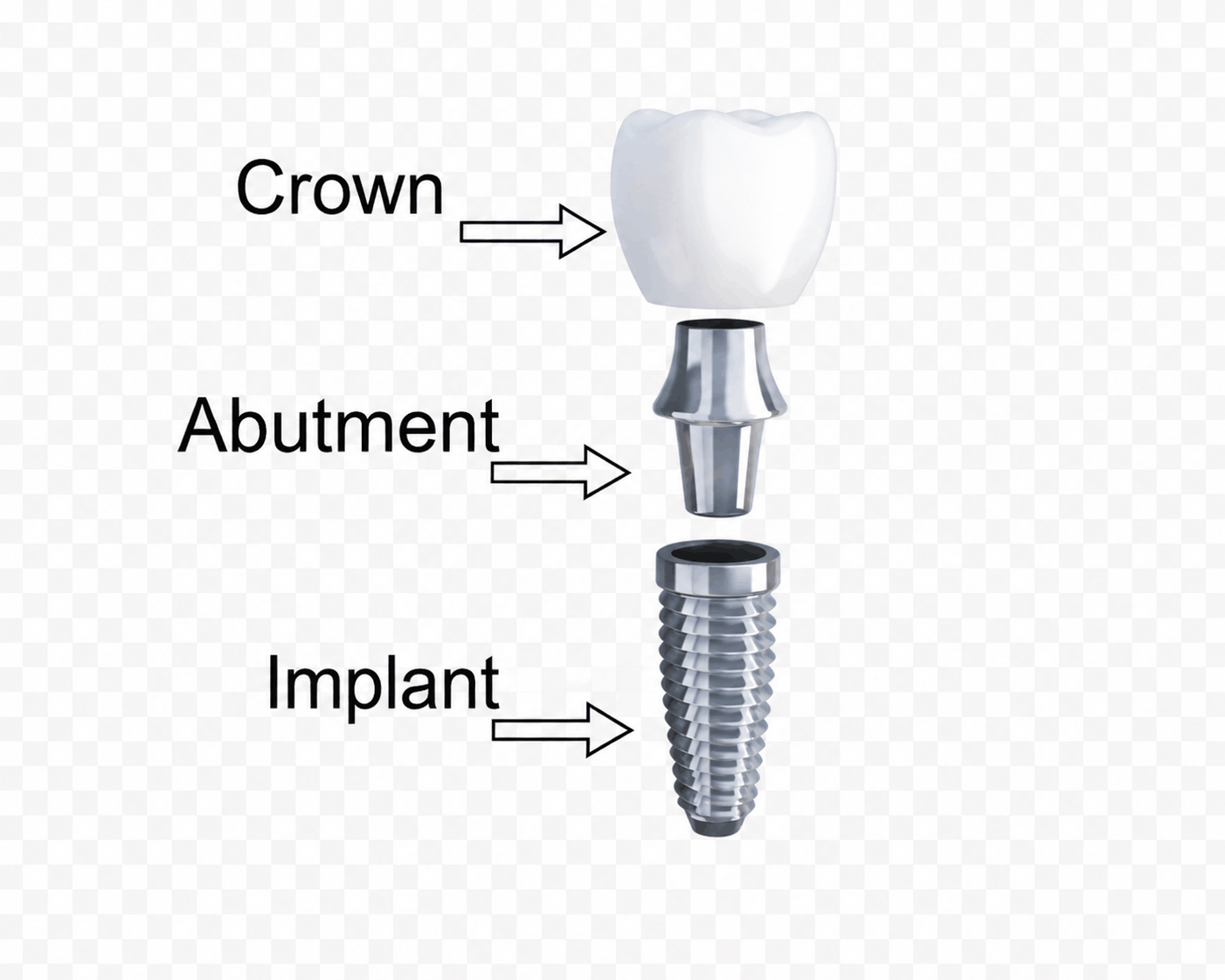
A dental implant consists of three main parts:
1. Implant Post
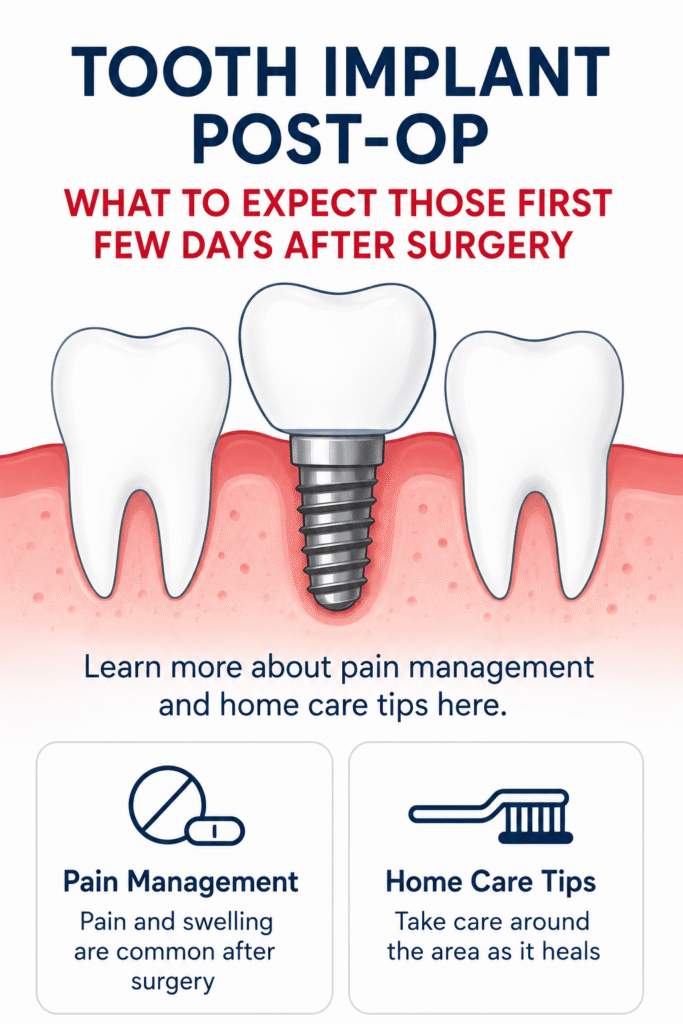
The implant post is a titanium screw that is surgically inserted into the jawbone. It acts as the root of the replacement tooth.
2. Abutment
The abutment is a connector piece that attaches the implant post to the dental crown.
3. Dental Crown
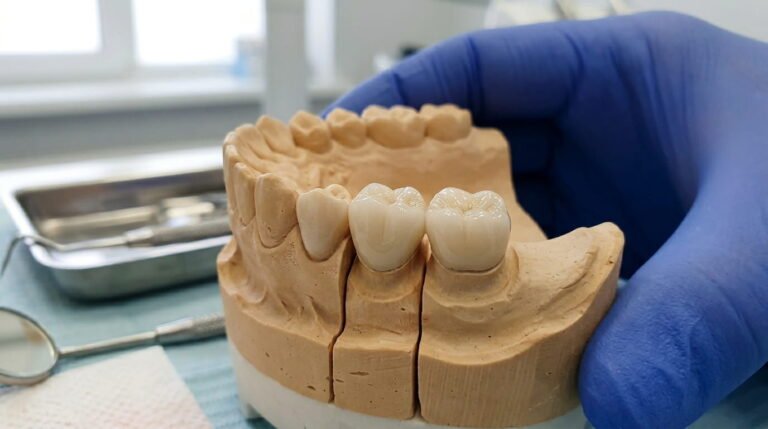
The crown is the visible part of the tooth that looks and functions like a natural tooth.
Together, these components create a strong and natural-looking replacement for missing teeth.
Why Are Dental Implants Needed?
Dental implants are recommended for individuals who have lost one or more teeth due to:
- Tooth decay
- Gum disease
- Injury or trauma
- Congenital tooth absence
- Failed root canal treatments
- Tooth extraction
When a tooth is lost, the surrounding jawbone begins to deteriorate over time. Dental implants help preserve bone structure and prevent further oral health complications.
Benefits of Dental Implants
Dental implants offer numerous advantages compared to traditional tooth replacement methods.
Natural Appearance
Dental implants are designed to match the color, shape, and size of your natural teeth. Most people cannot tell the difference between an implant and a real tooth.
Improved Chewing Ability
Because implants are anchored securely in the jawbone, they provide excellent stability when eating.
Enhanced Speech
Missing teeth or loose dentures can affect speech. Dental implants eliminate these issues and help improve pronunciation.
Long-Term Durability
With proper care, dental implants can last 20 years or longer, making them a cost-effective investment.
Bone Preservation
Dental implants stimulate the jawbone and prevent bone loss, which often occurs after tooth extraction.
Increased Confidence
A complete smile can significantly improve self-esteem and social confidence.
No Impact on Adjacent Teeth
Unlike dental bridges, implants do not require the modification of neighboring healthy teeth.
Types of Dental Implants
Several types of dental implants are available depending on the patient’s needs.
Endosteal Implants
These are the most common type of implants. They are placed directly into the jawbone and resemble small screws.
Subperiosteal Implants
These implants are placed under the gum but above the jawbone. They are typically used when there is insufficient bone volume.
Single Tooth Implants
Used to replace one missing tooth.
Implant-Supported Bridges
Suitable for replacing multiple missing teeth.
Implant-Supported Dentures
Ideal for patients missing most or all of their teeth.
All-on-4 Dental Implants
A full arch of teeth is supported by four strategically placed implants.
Who Is a Good Candidate for Dental Implants?
Most healthy adults can qualify for dental implants.
Ideal candidates typically have:
- Healthy gums
- Adequate jawbone density
- Good oral hygiene habits
- No uncontrolled medical conditions
- Commitment to follow-up care
Patients who smoke heavily or have uncontrolled diabetes may require additional evaluation before treatment.
The Dental Implant Procedure
The dental implant process usually takes several months and involves multiple stages.
Step 1: Initial Consultation

The dentist performs a thorough examination, including:
- Dental X-rays
- CT scans
- Medical history review
- Oral examination
A customized treatment plan is then created.
Step 2: Tooth Extraction (If Needed)
Damaged teeth may need to be removed before implant placement.
Step 3: Bone Grafting
If the jawbone is too thin or weak, a bone graft may be required to strengthen the area.
Step 4: Implant Placement Surgery
The titanium implant is surgically inserted into the jawbone under local anesthesia.
Step 5: Osseointegration
This critical healing phase allows the implant to fuse with the jawbone. It typically takes 3 to 6 months.
Step 6: Abutment Placement
Once healing is complete, the abutment is attached to the implant.
Step 7: Crown Placement
A custom-made crown is attached to complete the restoration.
How Long Do Dental Implants Last?
Dental implants are known for their exceptional longevity.
With proper care:
- Implant posts can last 20 years or more
- Many implants last a lifetime
- Crowns may require replacement every 10 to 15 years
Factors affecting longevity include:
- Oral hygiene
- Smoking habits
- Overall health
- Bite force
- Regular dental visits
Recovery After Dental Implant Surgery
Most patients experience mild discomfort after surgery.
Common symptoms include:
- Swelling
- Bruising
- Minor bleeding
- Soreness
Recovery Tips
- Apply ice packs
- Take prescribed medications
- Eat soft foods
- Avoid smoking
- Maintain oral hygiene
- Attend follow-up appointments
Most patients return to normal activities within a few days.
Dental Implant Costs
The cost of dental implants varies depending on several factors.
Factors Influencing Cost
- Number of implants
- Location of the dental clinic
- Bone grafting requirements
- Crown material
- Dentist’s experience
Average Costs
In many countries:
- Single implant: $1,500–$6,000
- Implant-supported bridge: $3,000–$15,000
- Full-mouth implants: $20,000–$60,000+
Although implants may seem expensive initially, their durability often makes them more economical in the long term.
Risks and Complications

Dental implants have a success rate of approximately 95–98%, but complications can occur.
Possible risks include:
Infection
Bacteria can infect the implant site if proper oral hygiene is not maintained.
Implant Failure
In rare cases, the implant may not fuse properly with the bone.
Nerve Damage
Improper placement can potentially affect nearby nerves.
Sinus Problems
Upper jaw implants may occasionally interfere with sinus cavities.
Gum Recession
The gum tissue around the implant can sometimes recede over time.
Most complications are preventable through proper planning and professional treatment.
Dental Implants vs Dentures
Dental Implants
Pros:
- Permanent solution
- Natural appearance
- Better chewing function
- Prevents bone loss
- Long-lasting
Cons:
- Higher initial cost
- Requires surgery
Dentures
Pros:
- Lower upfront cost
- Non-surgical option
Cons:
- Can become loose
- May affect speech
- Require regular adjustments
- Do not prevent bone loss
Dental Implants vs Dental Bridges
Dental Implants
- Preserve neighboring teeth
- Longer lifespan
- Prevent bone loss
Dental Bridges
- Faster treatment
- Lower initial cost
- Require support from adjacent teeth
Many dentists consider implants the gold standard for replacing missing teeth.
Caring for Dental Implants
Proper maintenance is essential for long-term success.
Daily Care Tips
- Brush twice daily
- Floss regularly
- Use antibacterial mouthwash
- Avoid chewing hard objects
- Limit sugary foods
Professional Care
Schedule dental checkups every six months to monitor implant health.
Common Myths About Dental Implants
Myth 1: Dental Implants Are Painful
Modern anesthesia techniques make the procedure relatively comfortable.
Myth 2: Implants Look Fake
Modern implant crowns are highly realistic and blend naturally with surrounding teeth.
Myth 3: Older Adults Cannot Get Implants
Age is not usually a limiting factor. Many seniors successfully receive implants.
Myth 4: Implants Require Special Maintenance
Dental implants can be cared for similarly to natural teeth.
Success Rate of Dental Implants
Dental implants are one of the most successful procedures in dentistry.
Success rates generally range between 95% and 98%.
Factors contributing to success include:
- Skilled implant placement
- Healthy gums
- Strong jawbone
- Good oral hygiene
- Regular dental visits
Future of Dental Implant Technology
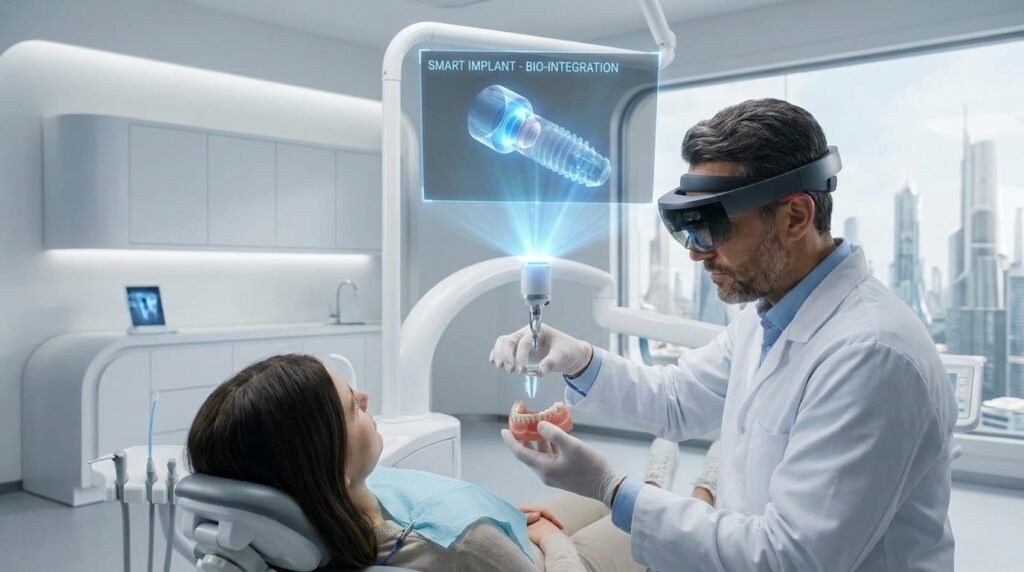
Advancements in dental technology continue to improve implant treatment.
Emerging innovations include:
- 3D-printed implants
- Digital treatment planning
- Guided implant surgery
- Same-day implants
- Enhanced biomaterials
These innovations make treatment faster, safer, and more predictable.
Frequently Asked Questions
Are Dental Implants Permanent?
The implant itself can last a lifetime with proper care.
How Painful Is the Procedure?
Most patients report less discomfort than expected and compare it to a tooth extraction.
Can Smokers Get Dental Implants?
Yes, but smoking increases the risk of implant failure.
How Long Does the Entire Process Take?
Treatment may take anywhere from three months to a year depending on individual circumstances.
Can Dental Implants Get Cavities?
No, implants cannot develop cavities, but surrounding gums can still become infected.
Conclusion
Dental implants have revolutionized modern dentistry by providing a durable, natural-looking, and highly functional solution for missing teeth. They offer significant advantages over dentures and bridges, including improved appearance, better oral function, enhanced confidence, and preservation of jawbone health.
Although the treatment requires a greater initial investment and a surgical procedure, the long-term benefits make dental implants one of the best tooth replacement options available today. By maintaining proper oral hygiene and attending regular dental checkups, patients can enjoy a healthy and beautiful smile for many years to come.
If you are considering replacing missing teeth, consult a qualified dental professional to determine whether dental implants are the right choice for your needs.