Dental Dam: Uses, Benefits, Safety, and Complete Guide
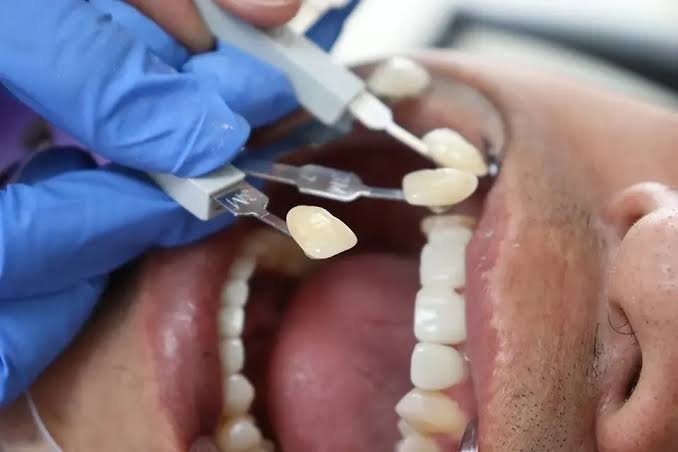
A dental dam is a thin, flexible sheet made from latex or polyurethane that serves as a protective barrier in both dentistry and sexual health. Although many people are unfamiliar with the term, dental dams play an important role in preventing contamination, maintaining hygiene, and reducing the risk of infections.
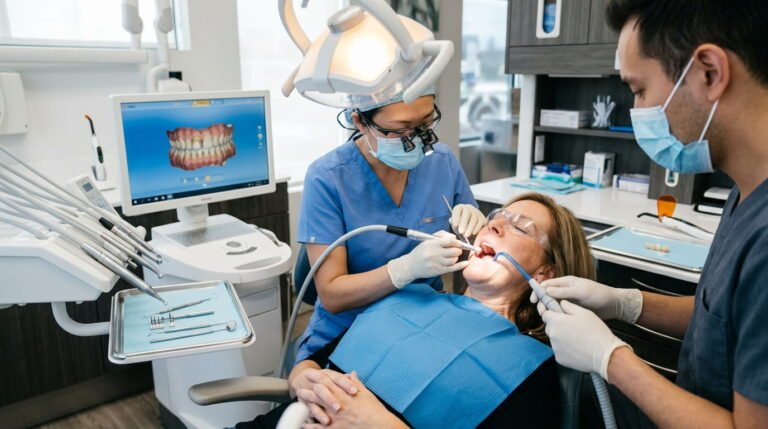
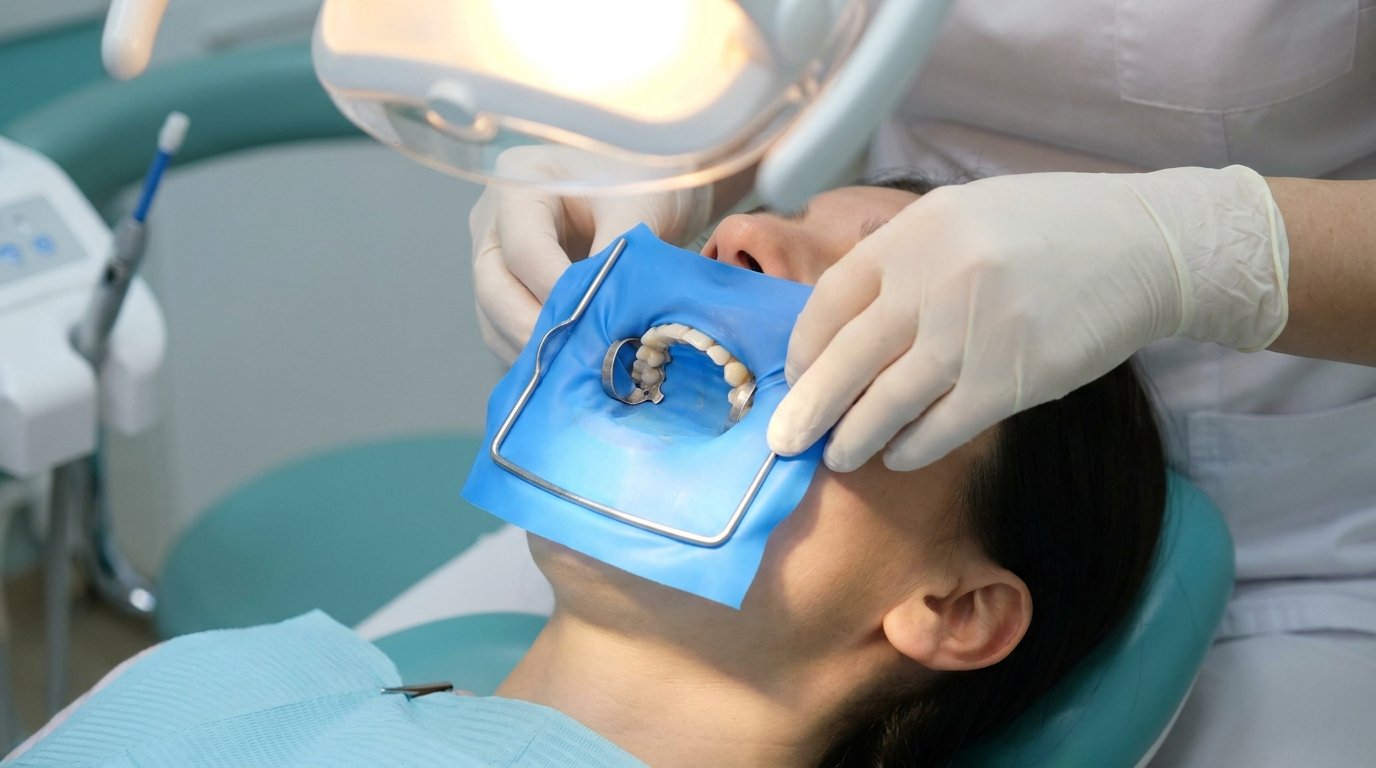
In dental procedures, dentists use dental dams to isolate specific teeth during treatments such as root canals, fillings, and other restorative procedures. In sexual health, dental dams are used as a barrier during oral sex to help reduce the transmission of sexually transmitted infections (STIs).
This comprehensive guide explores everything you need to know about dental dams, including their uses, benefits, types, safety considerations, and best practices.
What Is a Dental Dam?
A dental dam is a small square sheet that creates a barrier between two areas. Depending on the purpose, it can be used in different ways:
- In dentistry, it isolates a tooth from saliva and bacteria.
- In sexual health, it acts as a protective barrier during oral contact.
Dental dams are typically made from:
- Latex
- Polyurethane
- Nitrile
They are thin enough to allow flexibility while providing effective protection.
History of Dental Dams
Dental dams have been used in dentistry for over a century. Dentists recognized the importance of keeping treatment areas dry and free from contamination. Over time, dental dam technology improved, making procedures safer and more effective.
Later, healthcare professionals began recommending dental dams for sexual health protection, particularly during oral-vaginal and oral-anal contact.
Dental Dam in Dentistry
Why Dentists Use Dental Dams
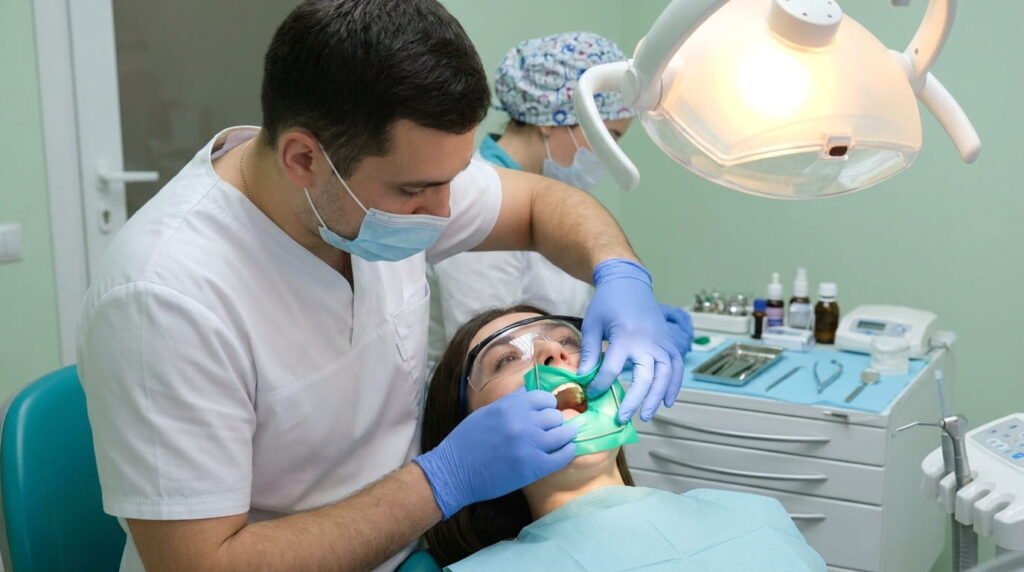
Dentists frequently use dental dams to isolate teeth during procedures. This isolation provides several advantages:
- Keeps the treatment area dry
- Prevents saliva contamination
- Improves visibility
- Enhances patient safety
- Reduces bacterial exposure
Common Dental Procedures That Use Dental Dams
Root Canal Treatment
Root canal therapy often requires a completely dry environment. A dental dam prevents saliva from entering the treatment area and helps ensure successful treatment.
Dental Fillings
Certain fillings require moisture control. Dental dams help maintain a clean and dry surface for proper bonding.
Crown Placement
During crown preparation, isolation can improve precision and reduce contamination.
Cosmetic Dentistry
Dental dams are sometimes used during teeth whitening and other cosmetic procedures to protect surrounding tissues.
Benefits of Dental Dams in Dentistry
Improved Infection Control
One of the primary benefits is reducing contamination from bacteria found in saliva.
Better Treatment Outcomes
A dry environment allows dental materials to bond more effectively.
Increased Patient Safety
Dental dams prevent patients from accidentally swallowing small instruments or materials.
Enhanced Comfort
Many patients find that dental dams reduce the amount of water and debris entering the mouth during treatment.
Time Efficiency
Dentists can work more efficiently when the treatment area remains isolated and dry.
Types of Dental Dams Used in Dentistry
Latex Dental Dams
Latex dental dams are the most commonly used type. They are flexible, durable, and effective.
Non-Latex Dental Dams
These are designed for patients with latex allergies and are often made from nitrile or polyurethane.
Heavy Dental Dams
These provide excellent isolation and durability during lengthy procedures.
Medium Dental Dams
Suitable for routine dental treatments requiring moderate flexibility.
How Dentists Apply a Dental Dam
The process typically involves:
- Selecting the appropriate dental dam.
- Creating a small hole for the tooth being treated.
- Placing a clamp around the tooth.
- Stretching the dental dam over the clamp.
- Securing the dam to isolate the treatment area.
The procedure is generally quick and painless.
Dental Dam in Sexual Health
Dental dams are also used as a protective barrier during oral sex.
They can help reduce exposure to bodily fluids and lower the risk of transmitting infections.
How Dental Dams Work
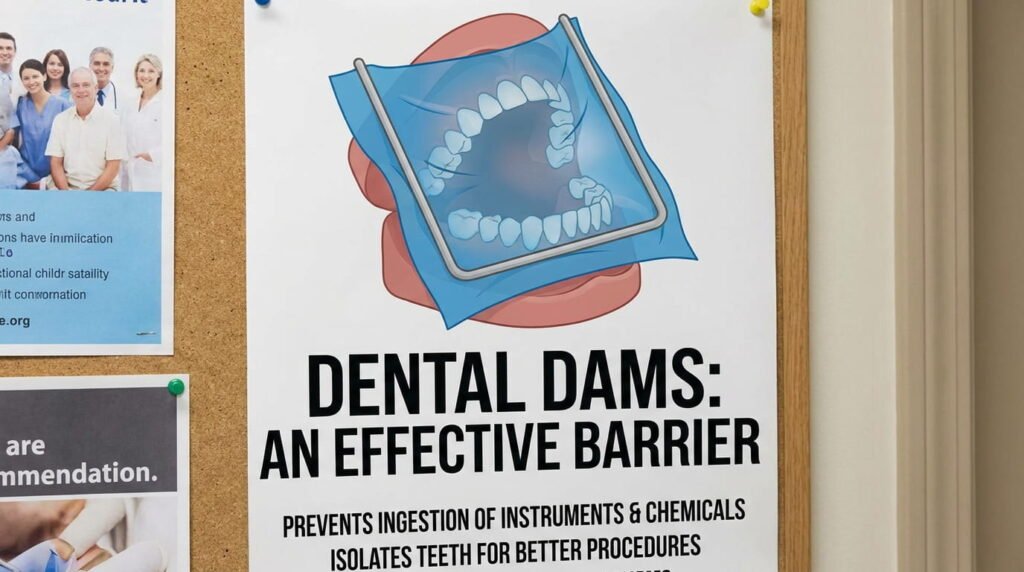
The dental dam is placed between the mouth and the genital or anal area during oral contact.
This barrier helps prevent direct contact with bodily fluids and skin surfaces that may carry infectious organisms.
Benefits of Dental Dams for Sexual Health
Reduced STI Risk
Dental dams can help reduce the transmission of infections such as:
- Human papillomavirus (HPV)
- Herpes simplex virus (HSV)
- Gonorrhea
- Chlamydia
- Syphilis
Easy to Use
Dental dams are simple to apply and require no special training.
Portable and Convenient
They are lightweight and easy to carry.
Increased Awareness of Safe Practices
Using dental dams promotes responsible sexual health habits.
How to Use a Dental Dam Safely
To maximize protection:
Check the Package
Ensure the product is not expired and has no visible damage.
Open Carefully
Avoid using sharp objects that may tear the material.
Use Lubrication if Needed
Water-based lubricants can improve comfort and reduce tearing.
Use One Side Only
Never flip a dental dam over during use.
Dispose Properly
Discard the dental dam after a single use.
Choosing the Right Dental Dam
When selecting a dental dam, consider:
Material
Choose latex if you do not have allergies. Opt for polyurethane or nitrile if latex sensitivity exists.
Thickness
Thicker dental dams may provide greater durability, while thinner options may improve sensation.
Flavor Options
Some products come in flavored varieties to enhance user comfort.
Size
Ensure the dental dam adequately covers the intended area.
Are Dental Dams Effective?
Research indicates that dental dams can significantly reduce exposure to infectious organisms when used correctly.
However, no protective method provides 100% protection. Proper use is essential for maximizing effectiveness.
Common Misconceptions About Dental Dams
Myth 1: Dental Dams Are Only for Dentists
Fact: Dental dams are used in both dentistry and sexual health.
Myth 2: Dental Dams Are Difficult to Use
Fact: Most dental dams are straightforward and require minimal preparation.
Myth 3: Dental Dams Eliminate All Risk
Fact: They reduce risk but cannot guarantee complete protection.
Myth 4: Dental Dams Are Uncomfortable
Fact: Modern dental dams are designed to be flexible and comfortable.
Dental Dam Alternatives
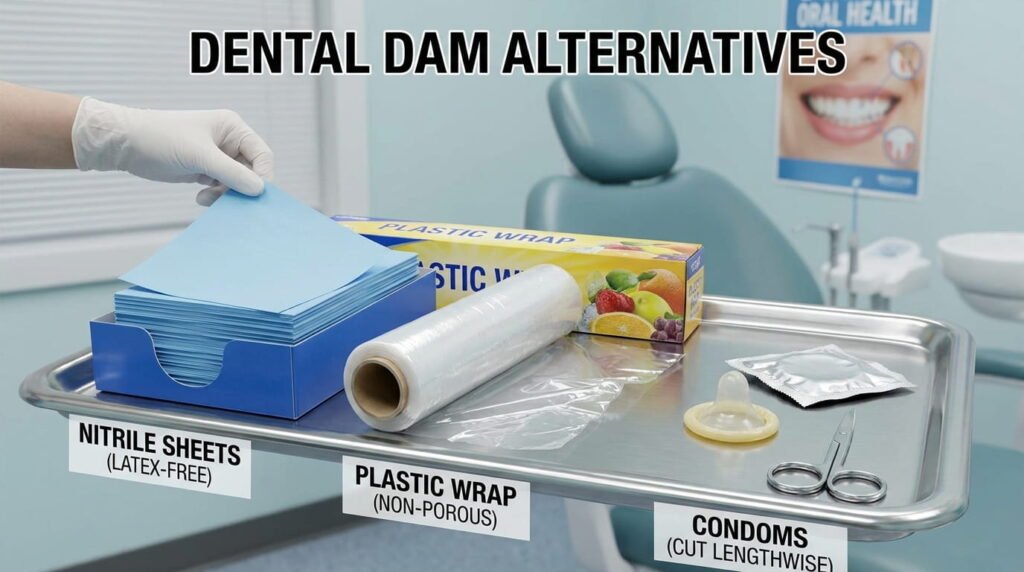
In some situations, alternatives may be used.
Cut Condoms
A condom can be cut open to create a flat protective sheet.
Plastic Wrap
Some healthcare resources mention plastic wrap as an alternative, although dental dams are generally preferred because they are specifically designed for barrier protection.
Potential Risks and Limitations
While dental dams are beneficial, users should be aware of potential limitations.
Latex Allergies
Individuals with latex allergies should choose non-latex options.
Tearing
Improper handling may cause tears that reduce effectiveness.
Limited Availability
Dental dams may not be as widely available as condoms in some areas.
User Compliance
Protection depends on consistent and correct usage.
Dental Dam Care and Storage
Proper storage helps maintain product quality.
Store in a Cool Place
Avoid excessive heat and direct sunlight.
Check Expiration Dates
Expired products may be less effective.
Avoid Sharp Objects
Store dental dams away from items that could puncture them.
Frequently Asked Questions
What is a dental dam used for?
A dental dam is used in dentistry to isolate teeth and in sexual health as a protective barrier.
Can dental dams prevent STIs?
They can reduce the risk of STI transmission but cannot guarantee complete protection.
Are dental dams reusable?
No. Dental dams should be used only once and then discarded.
Are dental dams safe?
Yes. When used properly, dental dams are considered safe and effective.
What materials are dental dams made from?
Most dental dams are made from latex, polyurethane, or nitrile.
Do dentists always use dental dams?
Not always, but many dentists consider them a best practice for specific procedures such as root canals.
The Future of Dental Dams
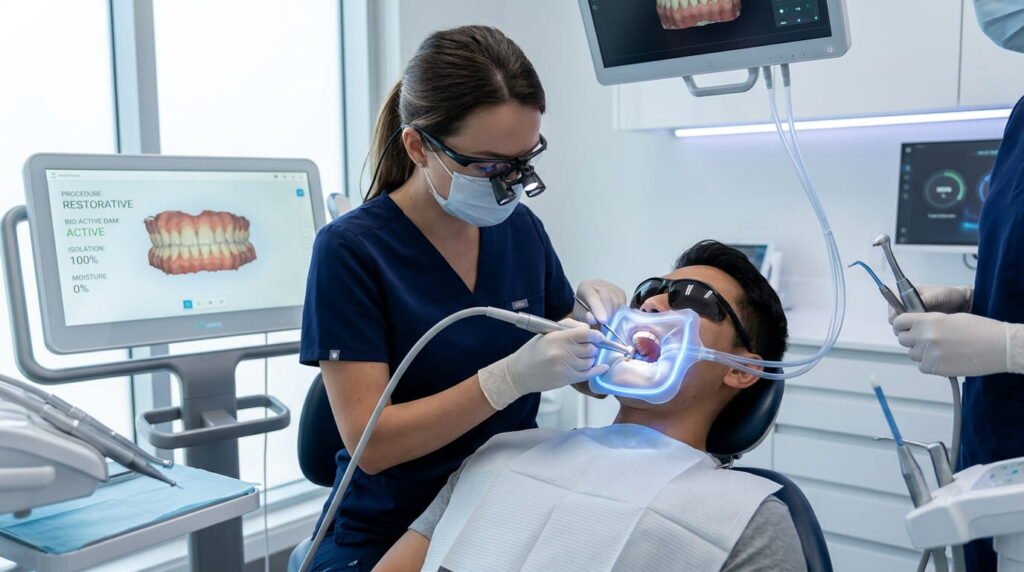
As awareness of infection control and preventive healthcare continues to grow, dental dams are expected to become more widely recognized.
Advancements in materials and manufacturing may improve comfort, durability, and accessibility in both dental and sexual health applications.
Healthcare organizations continue to encourage education about barrier protection methods, including dental dams.
Conclusion
A dental dam is a simple yet highly effective tool used in dentistry and sexual health. In dental procedures, it improves treatment quality, infection control, and patient safety. In sexual health, it serves as an important barrier method that can help reduce the transmission of infections during oral contact.
Understanding how dental dams work, when to use them, and how to use them correctly can contribute to better oral health, safer practices, and improved overall well-being. Whether you are a dental patient, healthcare professional, or someone seeking information about protective health measures, knowing the value of dental dams is an important step toward informed decision-making.