Dental Crown: Complete Guide, Types, Procedure & Benefits
A dental crown is one of the most important and commonly used treatments in modern dentistry. It is designed to restore damaged, weak, or broken teeth and bring them back to full strength and function. Many people experience tooth decay, fractures, or wear and tear over time, and in such cases, a dental crown becomes a reliable solution.
A crown works like a protective cap that covers the entire visible portion of a tooth. Once placed, it looks and functions like a natural tooth. It not only improves appearance but also protects the tooth from further damage.
In this detailed guide, we will explore everything about dental crowns in simple language, including meaning, types, procedure, advantages, disadvantages, cost, and care tips.
What is a Dental Crown?
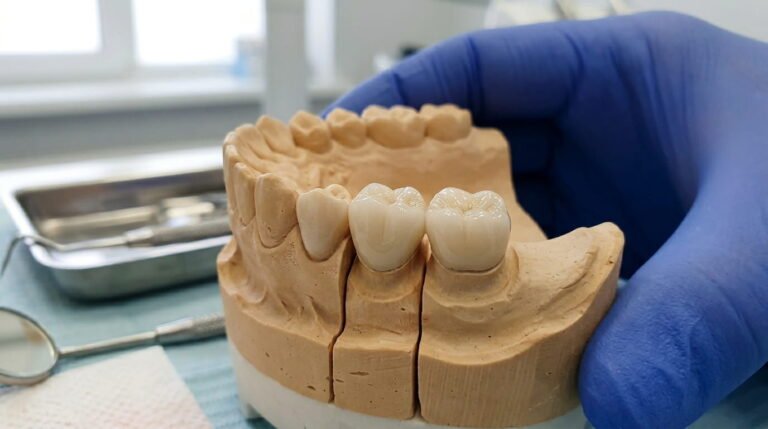
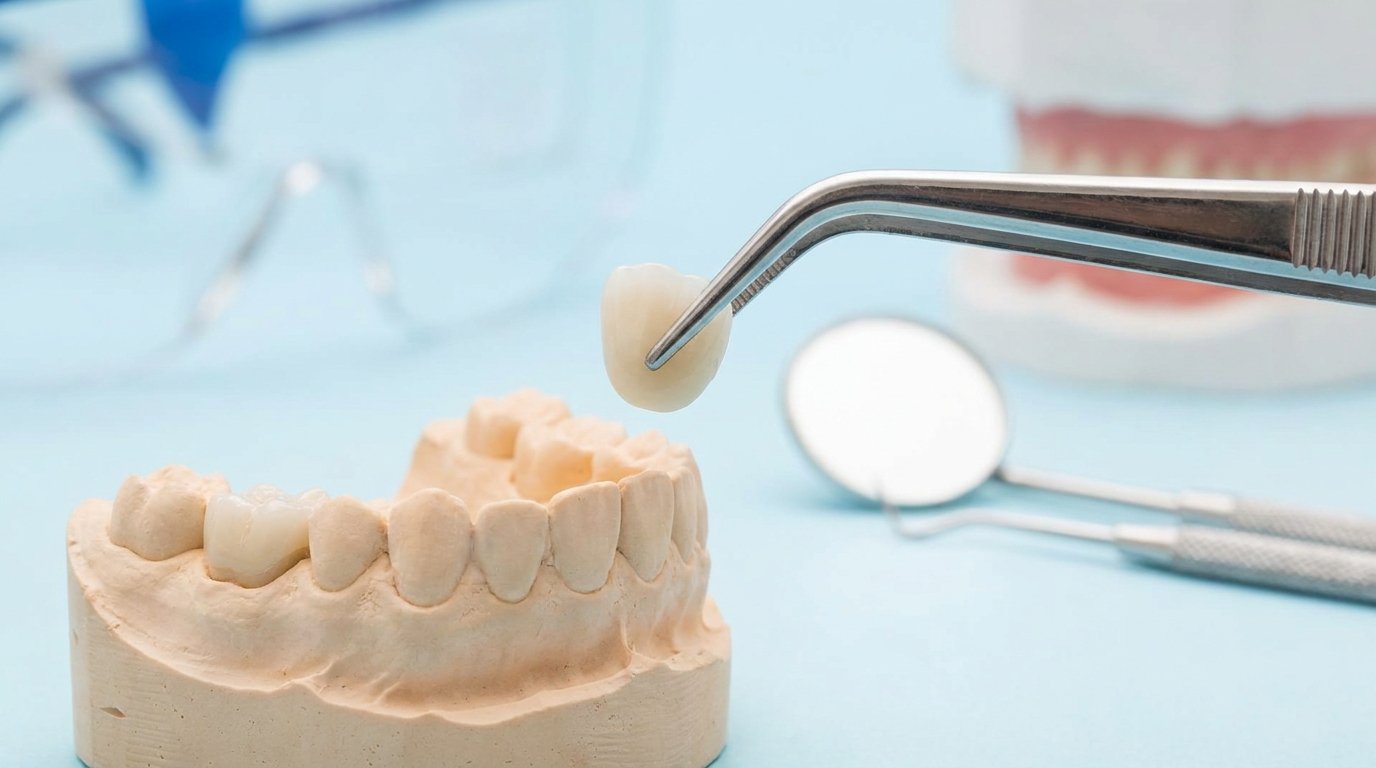
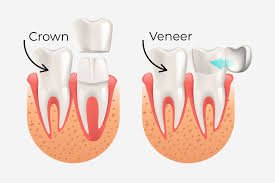
A dental crown is a custom-made cap that fits over a damaged tooth. It fully covers the tooth above the gum line and restores its shape, size, strength, and appearance.
Dentists recommend crowns when a tooth is too weak to function properly on its own. Instead of removing the tooth, a crown helps save it and extend its life.
A crown is permanently fixed using dental cement, making it a long-term solution for tooth restoration.
Why Dental Crowns Are Important
Teeth are very strong, but they can still get damaged due to:
- Tooth decay
- Accidents or injury
- Large fillings
- Root canal treatment
- Grinding or clenching teeth
When damage becomes severe, simple fillings are not enough. In such cases, dental crowns are essential because they:
- Protect weak teeth
- Restore chewing ability
- Improve smile appearance
- Prevent further decay or fracture
When Do You Need a Dental Crown?
A dentist may suggest a dental crown in the following situations:
1. Broken or Cracked Tooth
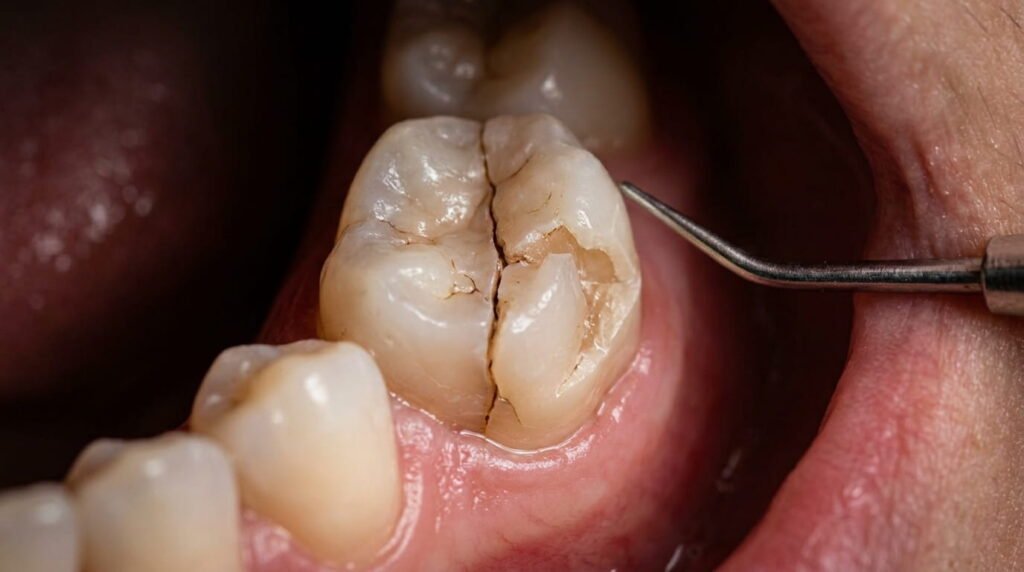
If a tooth is cracked, a crown holds it together and prevents it from breaking further.
2. After Root Canal Treatment
Root canal-treated teeth become weak, so a crown is placed for protection.
3. Large Cavities
When decay is too large for a filling, a crown is used instead.
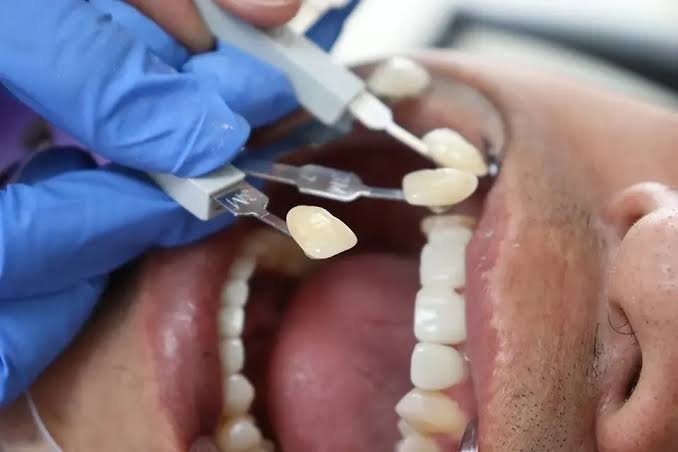
4. Cosmetic Improvement
Crowns can improve the look of stained, uneven, or misshaped teeth.
5. Dental Implant Support
Crowns are placed on implants to replace missing teeth.
6. Worn-Down Teeth
Teeth worn down due to grinding or aging may need crowns.
Types of Dental Crowns
There are several types of dental crowns. Each type has different advantages depending on strength, appearance, and cost.
1. Porcelain Crowns
Porcelain crowns are made of ceramic material and are very popular because they look natural.
Advantages:
- Natural tooth-like appearance
- Best for front teeth
- Metal-free option
Disadvantages:
- Can chip under pressure
- Slightly less durable than metal
2. Metal Crowns
Metal crowns are made from gold, platinum, or other alloys.
Advantages:
- Extremely strong
- Long-lasting
- Resistant to wear
Disadvantages:
- Metallic color
- Not suitable for visible teeth
3. Porcelain-Fused-to-Metal (PFM)
These crowns combine metal strength with porcelain appearance.
Advantages:
- Strong and durable
- More natural than metal crowns
Disadvantages:
- Metal line may show over time
- Porcelain layer may chip
4. Zirconia Crowns
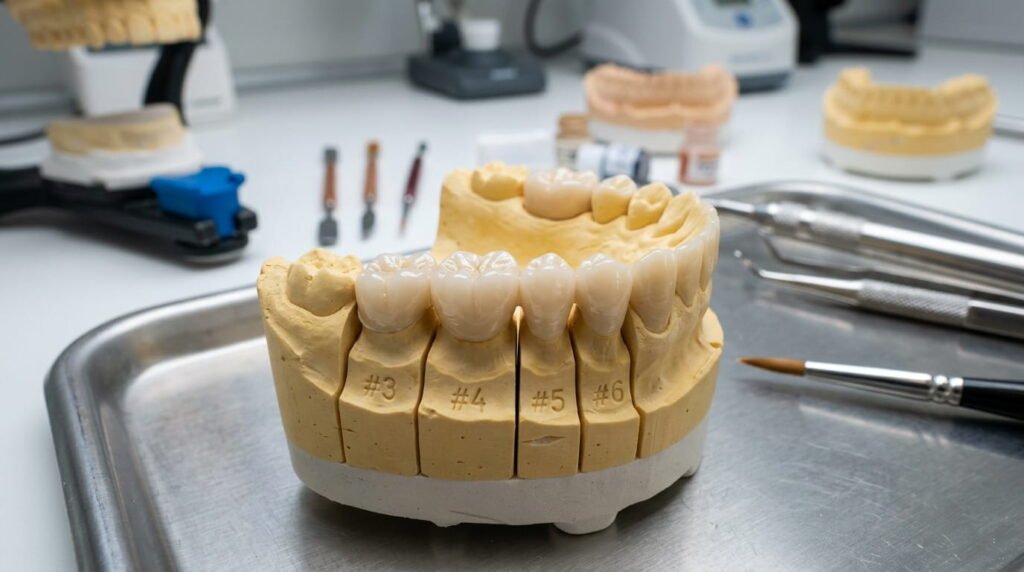
Zirconia crowns are made from strong ceramic material and are highly popular today.
Advantages:
- Very strong
- Natural appearance
- Long-lasting
Disadvantages:
- Expensive compared to others
5. Resin Crowns
Resin crowns are made from composite material.
Advantages:
- Affordable
- Quick to make
Disadvantages:
- Less durable
- Wear down faster
Dental Crown Procedure Step by Step
Getting a dental crown usually takes two dental visits.
Step 1: Examination and Diagnosis
The dentist examines your tooth and takes X-rays to check the level of damage.
Step 2: Tooth Preparation
The tooth is reshaped to create space for the crown. If needed, filling material is added to support the structure.
Step 3: Impression
An impression of your tooth is taken to create a custom crown that fits perfectly.
Step 4: Temporary Crown
A temporary crown is placed to protect the tooth while the permanent crown is being made.
Step 5: Permanent Crown Placement
After a few days or weeks, the permanent crown is fixed using dental cement.
Step 6: Adjustment
The dentist checks your bite and makes adjustments for comfort.
How Long Does a Dental Crown Last?
The lifespan depends on material and care:
- Porcelain crowns: 10–15 years
- Metal crowns: 15–25 years
- Zirconia crowns: 15–20+ years
- Resin crowns: 5–10 years
Proper oral hygiene can significantly extend their life.
Benefits of Dental Crowns
Dental crowns provide many benefits:
1. Restores Tooth Strength
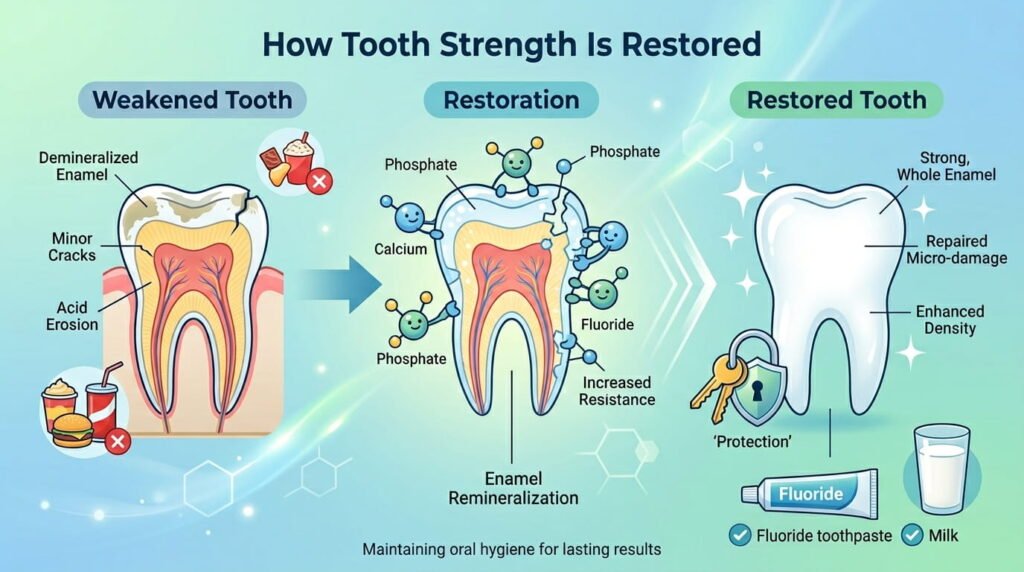
They make weak teeth strong again.
2. Improves Appearance
Crowns look like natural teeth.
3. Protects Damaged Teeth
They prevent further cracking or decay.
4. Improves Chewing Ability
You can eat normally without pain.
5. Long-Term Solution
Crowns can last many years with care.
6. Supports Dental Work
They are used with bridges and implants.
Possible Risks of Dental Crowns
Although safe, crowns may have minor issues:
- Tooth sensitivity
- Temporary discomfort
- Crown loosening
- Gum irritation
- Risk of decay under crown if hygiene is poor
Most of these issues can be avoided with proper care.
Dental Crown Cost Factors
The cost depends on:
- Material type
- Dentist experience
- Clinic location
- Complexity of treatment
Generally:
- Resin = lowest cost
- Metal = moderate
- Porcelain = higher
- Zirconia = highest
Dental Crown vs Filling
| Feature | Filling | Crown |
|---|---|---|
| Coverage | Partial tooth | Full tooth |
| Strength | Moderate | High |
| Usage | Small decay | Major damage |
| Durability | Lower | Higher |
Aftercare Tips for Dental Crowns
To make your crown last longer:
1. Brush Twice Daily
Keep teeth clean and free from bacteria.
2. Floss Regularly
Remove food stuck near crown edges.
3. Avoid Hard Foods
Do not bite ice or hard objects.
4. Regular Checkups
Visit dentist every 6 months.
5. Avoid Grinding
Use night guard if you grind teeth.
6. Limit Sugary Foods
Prevents decay around crown area.
Who Should Avoid Dental Crowns?
Crowns may not be suitable if:
- Tooth is too damaged
- Severe gum disease exists
- Infection is untreated
Dentists treat these problems before placing crowns.
Common Myths About Dental Crowns
Myth 1: Crowns are painful
✔ Reality: Procedure is usually painless with anesthesia.
Myth 2: Crowns are only cosmetic
✔ Reality: They are mainly for protection and function.
Myth 3: Crowns last forever
✔ Reality: They last many years but need replacement eventually.
Conclusion
A dental crown is an effective and reliable dental treatment that restores both function and appearance of damaged teeth. It protects weak teeth, improves chewing ability, and enhances your smile.
With proper care and regular dental visits, crowns can last many years and significantly improve oral health. Whether you need it after a root canal, for a broken tooth, or cosmetic improvement, a dental crown is a long-term solution that helps preserve your natural teeth.