Dental Crown Material Guide: Types, Benefits & Costs
When a tooth becomes damaged, weakened, or severely decayed, dentists often recommend a dental crown to restore its strength and appearance. A dental crown is a custom-made cap that covers the visible portion of a tooth, protecting it from further damage while improving its function and aesthetics. However, one of the most important decisions patients face is choosing the right dental crown material.
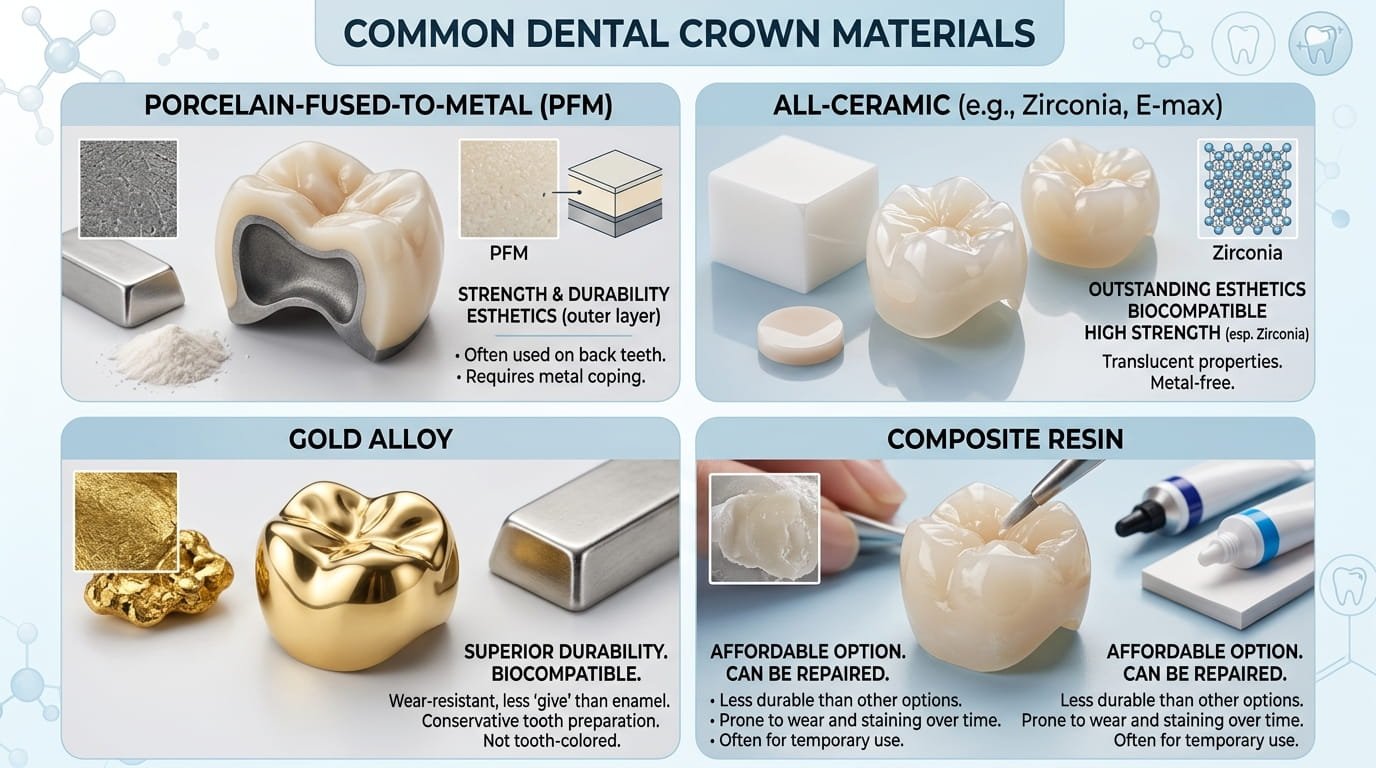
Dental crown materials vary in durability, appearance, cost, and suitability for different dental situations. Modern dentistry offers several options, including porcelain, zirconia, metal, porcelain-fused-to-metal (PFM), E-Max, and resin crowns. Understanding the differences between these materials can help patients make informed decisions about their oral health.
This comprehensive guide explains everything you need to know about dental crown materials, including their types, benefits, drawbacks, costs, and factors to consider when selecting the best option.
What Is a Dental Crown Material?
A dental crown material refers to the substance used to manufacture a dental crown. The material determines the crown’s strength, appearance, lifespan, and cost. Dentists select crown materials based on factors such as tooth location, chewing pressure, cosmetic requirements, and patient budget.
The ideal crown material should provide:
- High durability
- Natural appearance
- Biocompatibility
- Resistance to wear
- Long-term performance
Modern dental technology has significantly improved crown materials, making them more natural-looking and durable than ever before.
Why Is Choosing the Right Crown Material Important?
Selecting the correct crown material affects several aspects of dental treatment, including:
Durability
Some materials last longer than others. For example, zirconia and metal crowns are known for exceptional strength.
Appearance
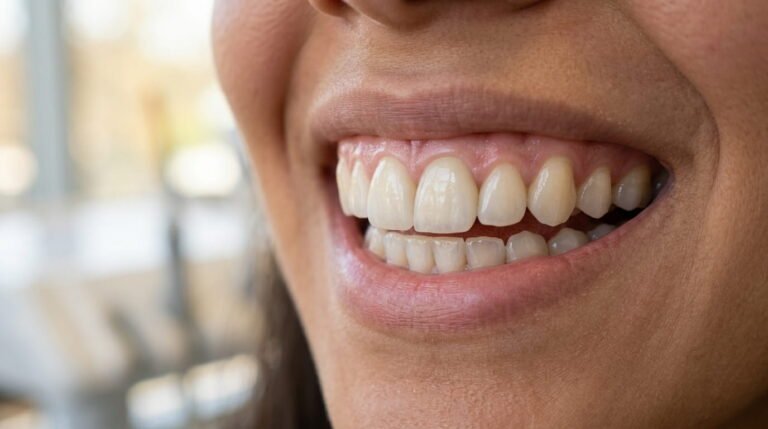
Patients seeking a natural smile often prefer porcelain or ceramic crowns because they closely resemble natural teeth.
Comfort
The material should fit comfortably and function naturally within the mouth.
Cost
Different materials have varying price ranges. Understanding these costs helps patients make informed financial decisions.
Longevity
The lifespan of a crown largely depends on the material used and oral hygiene habits.
Types of Dental Crown Materials
1. Porcelain Crowns
Porcelain crowns are among the most popular options because they closely mimic natural tooth enamel.
Advantages
- Excellent aesthetics
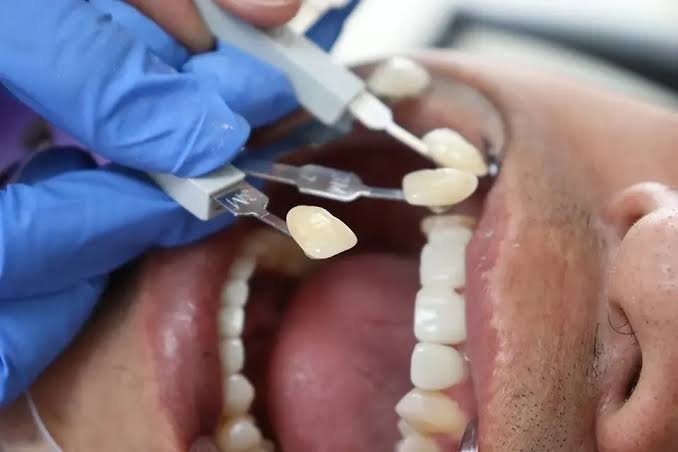
- Natural color matching
- Metal-free
- Suitable for patients with metal allergies
- Ideal for front teeth
Disadvantages
- Less durable than zirconia
- May chip under heavy pressure
- Generally more expensive
Best For
- Front teeth restoration
- Cosmetic dentistry procedures
2. Zirconia Crowns
Zirconia crowns have become increasingly popular due to their exceptional strength and natural appearance.
Zirconia is a highly durable ceramic material capable of withstanding significant biting forces.
Advantages
- Extremely strong
- Long-lasting
- Biocompatible
- Resistant to fractures
- Natural appearance
Disadvantages
- Slightly more expensive
- Can wear opposing teeth if not polished properly
Best For
- Molars
- Patients who grind their teeth
- Long-term restorations
3. Metal Crowns
Metal crowns have been used in dentistry for decades and remain one of the most durable options available.
Common metals include:
- Gold alloys
- Palladium
- Nickel alloys
- Chromium alloys
Advantages
- Exceptional durability
- Minimal tooth removal required
- Resistant to wear
- Rarely chip or crack
Disadvantages
- Metallic appearance
- Not aesthetically pleasing
- Visible when smiling
Best For
- Back molars
- Patients prioritizing durability over appearance
4. Porcelain-Fused-to-Metal (PFM) Crowns
PFM crowns combine a metal framework with an outer porcelain layer.
This design offers both strength and improved aesthetics.
Advantages
- Strong metal foundation
- Natural-looking exterior
- More affordable than all-ceramic crowns
- Suitable for front and back teeth
Disadvantages
- Porcelain may chip
- Dark line may appear near gums
- Less natural-looking than all-ceramic crowns
Best For
- Patients seeking a balance between strength and aesthetics
5. E-Max Crowns
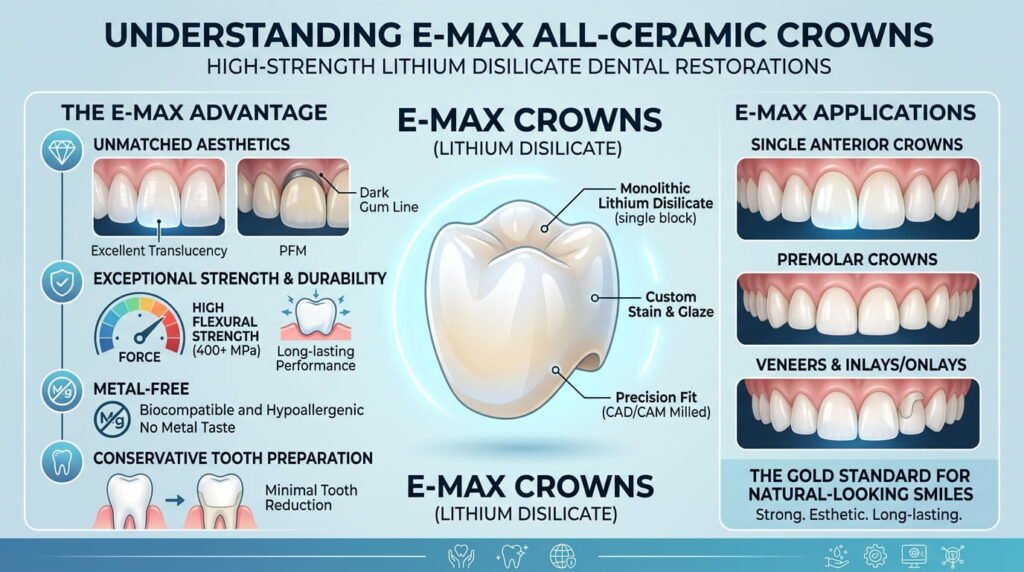
E-Max crowns are made from lithium disilicate ceramic, a premium dental material known for beauty and strength.
Advantages
- Excellent aesthetics
- Natural translucency
- Durable
- Metal-free
Disadvantages
- Higher cost
- Not always ideal for heavy grinding cases
Best For
- Front teeth
- Cosmetic smile makeovers
6. Resin Crowns
Resin crowns are typically considered a temporary or budget-friendly option.
Advantages
- Affordable
- Easy to fabricate
- Quick placement
Disadvantages
- Less durable
- Higher risk of wear and fractures
- Shorter lifespan
Best For
- Temporary restorations
Comparison of Dental Crown Materials
| Material | Appearance | Strength | Cost | Lifespan |
|---|---|---|---|---|
| Porcelain | Excellent | Good | Moderate-High | 10–15 Years |
| Zirconia | Excellent | Excellent | High | 15–20 Years |
| Metal | Poor | Excellent | Moderate | 20+ Years |
| PFM | Good | Very Good | Moderate | 10–15 Years |
| E-Max | Excellent | Very Good | High | 10–15 Years |
| Resin | Fair | Low | Low | 3–5 Years |
Factors to Consider When Choosing Dental Crown Material
Tooth Location
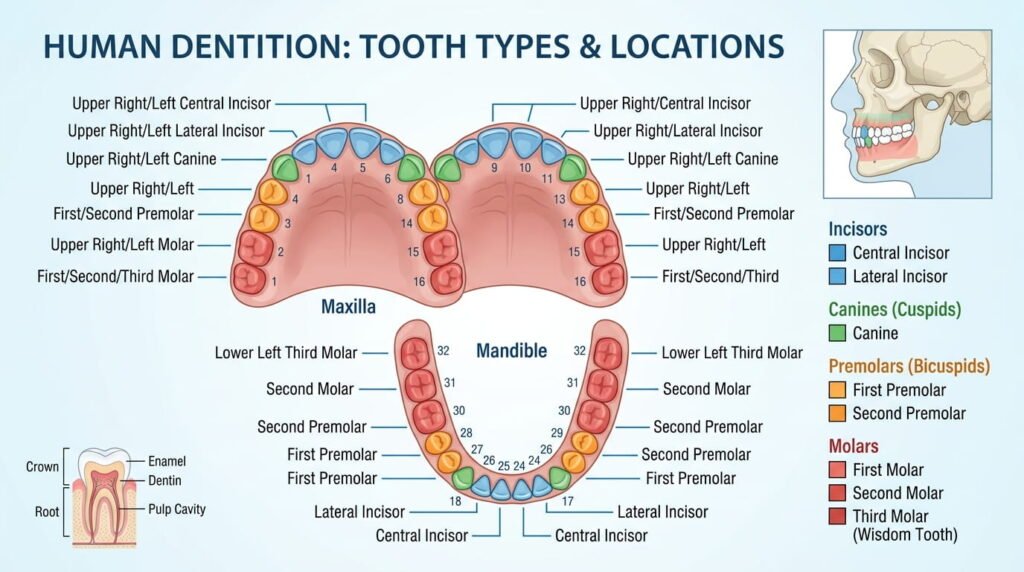
Front teeth require aesthetics, while back teeth require strength.
Budget
Costs vary significantly depending on material and location.
Cosmetic Goals
Patients concerned about appearance often choose porcelain, ceramic, or E-Max crowns.
Grinding Habits
Individuals with bruxism may benefit from zirconia or metal crowns.
Allergies
Patients with metal sensitivities should consider metal-free options.
How Long Do Different Crown Materials Last?
The lifespan of dental crowns depends on material quality and oral care.
Average Lifespans
- Zirconia: 15–20 years
- Metal: 20+ years
- Porcelain: 10–15 years
- E-Max: 10–15 years
- PFM: 10–15 years
- Resin: 3–5 years
Proper maintenance can significantly extend these lifespans.
Dental Crown Material Costs
Prices vary depending on country, dentist experience, and material.
Estimated Costs
- Resin Crown: $300–$800
- Metal Crown: $800–$2,500
- PFM Crown: $800–$1,500
- Porcelain Crown: $800–$3,000
- Zirconia Crown: $1,000–$3,500
- E-Max Crown: $1,000–$3,500
Insurance coverage may reduce out-of-pocket expenses.
Caring for Your Dental Crown
To maximize crown longevity:
Maintain Oral Hygiene
- Brush twice daily
- Floss regularly
- Use fluoride toothpaste
Avoid Hard Foods
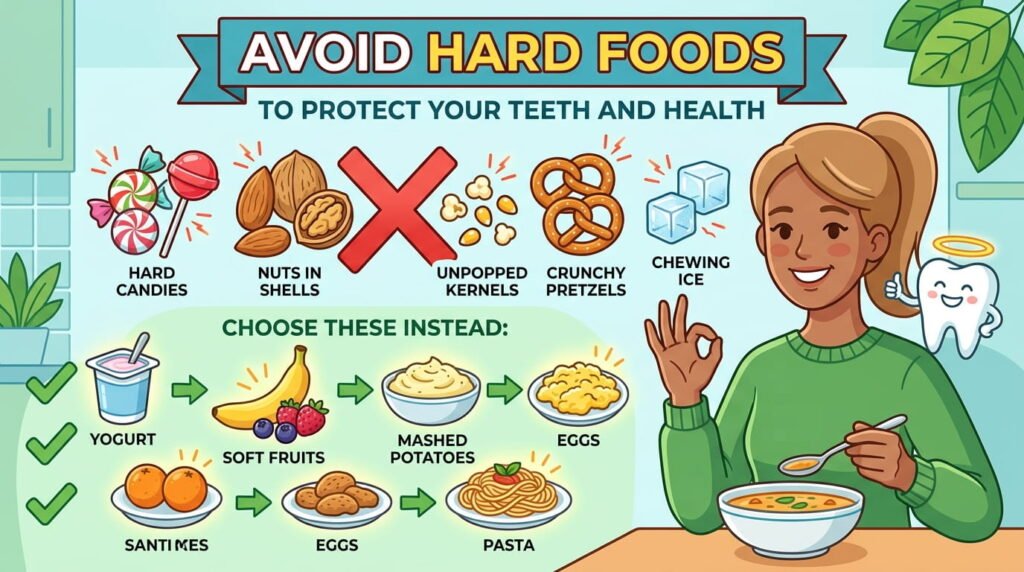
Limit chewing on:
- Ice
- Hard candies
- Nuts
- Non-food objects
Wear a Night Guard
Patients who grind their teeth should use a custom night guard.
Visit Your Dentist Regularly
Routine dental checkups help identify problems before they worsen.
Common Questions About Dental Crown Materials
Which Crown Material Looks Most Natural?
Porcelain and E-Max crowns offer the most natural appearance.
Which Crown Material Is Strongest?
Zirconia and metal crowns are generally considered the strongest.
Are Metal Crowns Safe?
Yes. Dental-grade metals are extensively tested and considered safe.
Can Crown Materials Stain?
Porcelain, zirconia, and E-Max crowns are highly stain-resistant.
Which Material Is Best for Front Teeth?
Porcelain and E-Max crowns provide superior aesthetics.
Which Material Is Best for Molars?
Zirconia and metal crowns offer excellent durability for chewing forces.
Future Trends in Dental Crown Materials
Modern dentistry continues to evolve with advanced technologies such as:
- CAD/CAM crown fabrication
- 3D-printed crowns
- High-translucency zirconia
- Enhanced ceramic materials
- Digital smile design
These innovations are making crowns stronger, more comfortable, and more aesthetically pleasing.
Conclusion
Choosing the right dental crown material is a crucial step in restoring oral health and achieving a confident smile. Each material offers unique advantages, whether your priority is durability, aesthetics, affordability, or longevity.
Porcelain and E-Max crowns are ideal for natural-looking restorations, while zirconia crowns provide exceptional strength and durability. Metal crowns remain one of the longest-lasting options, and PFM crowns offer a balance between appearance and function.
Consulting with a qualified dentist is the best way to determine which crown material suits your specific needs. By understanding the strengths and limitations of each option, patients can make informed decisions and enjoy long-lasting dental restorations that improve both function and appearance.