Dental Crown Procedure: Complete Guide to Treatment & Cost
A healthy smile plays a vital role in both appearance and overall oral health. However, teeth can become damaged due to decay, injury, grinding, or aging. When a tooth becomes weak or severely damaged, dentists often recommend a dental crown to restore its strength, function, and appearance. Understanding the dental crown procedure can help patients feel more confident and prepared before undergoing treatment.
A dental crown is a custom-made cap that fits over a damaged tooth. It covers the visible portion of the tooth above the gum line and restores its shape, size, strength, and appearance. Dental crowns are one of the most common restorative dental treatments used worldwide.
This comprehensive guide explains everything you need to know about the dental crown procedure, including the treatment steps, types of crowns, benefits, costs, recovery, risks, and maintenance tips.
What Is a Dental Crown?
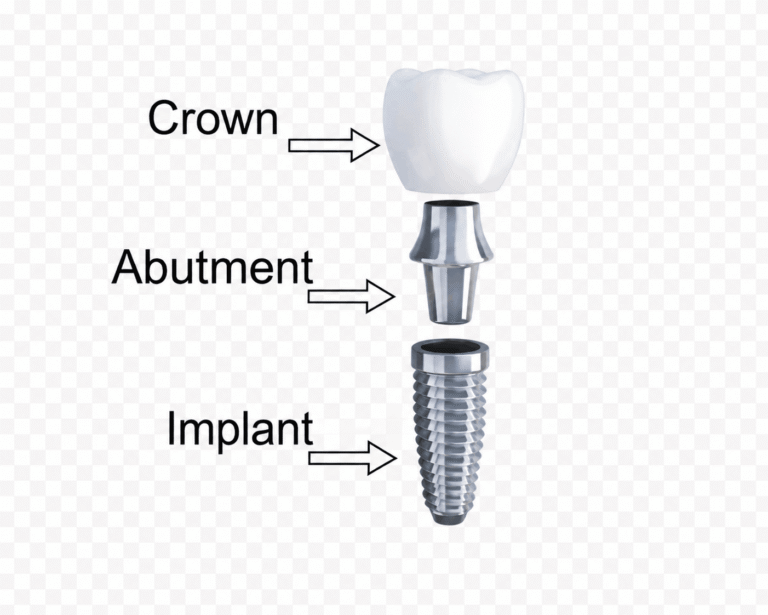
A dental crown is a tooth-shaped cap designed to completely cover a damaged or weakened tooth. Crowns are permanently cemented onto existing teeth or dental implants and help restore normal chewing function and appearance.
Dentists may recommend a crown when a tooth is:
- Severely decayed
- Cracked or fractured
- Worn down from grinding
- Weakened after root canal treatment
- Discolored or misshapen
- Supporting a dental bridge
- Replacing a missing tooth with an implant
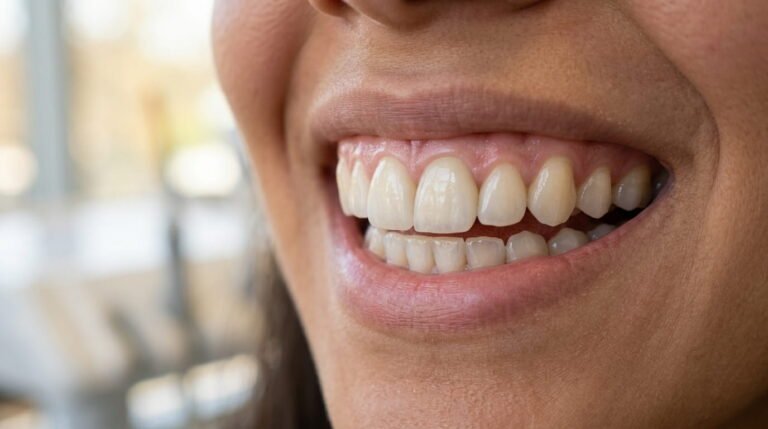
Dental crowns are custom-made to match the color and shape of natural teeth, making them virtually unnoticeable.
Why Is a Dental Crown Procedure Needed?
There are several reasons why a dentist may recommend a dental crown procedure.
1. Protecting a Weak Tooth
A tooth weakened by decay or a large filling can crack under pressure. A crown provides protection and prevents further damage.
2. Restoring a Broken Tooth
Crowns can rebuild broken or severely worn teeth, restoring both function and aesthetics.
3. Covering a Root Canal Treated Tooth
After root canal treatment, teeth become more fragile. A crown helps strengthen and protect the tooth.
4. Improving Appearance
Dental crowns can enhance the appearance of stained, misshapen, or uneven teeth.
5. Supporting Dental Bridges
Crowns are used as anchors for dental bridges that replace missing teeth.
6. Restoring Dental Implants
A crown serves as the visible replacement tooth attached to a dental implant.
Types of Dental Crowns
Different crown materials are available depending on the patient’s needs, budget, and aesthetic preferences.
Porcelain Crowns
Porcelain crowns provide the most natural appearance and closely resemble real teeth.
Benefits include:
- Excellent aesthetics
- Natural color matching
- Metal-free
- Suitable for front teeth
Zirconia Crowns
Zirconia crowns are extremely durable and resistant to wear.
Advantages include:
- High strength
- Long-lasting performance
- Natural appearance
- Suitable for back teeth
Porcelain-Fused-to-Metal (PFM) Crowns
These crowns combine a metal base with a porcelain exterior.
Benefits include:
- Good durability
- Natural appearance
- Affordable option
Metal Crowns
Metal crowns are made from gold alloys or other metals.
Advantages include:
- Exceptional durability
- Minimal tooth removal
- Long lifespan
E-Max Crowns
E-Max crowns are made from lithium disilicate ceramic.
Benefits include:
- Superior aesthetics
- High durability
- Natural translucency
Step-by-Step Dental Crown Procedure
Understanding each stage of the dental crown procedure can reduce anxiety and help patients know what to expect.
Step 1: Initial Consultation and Examination
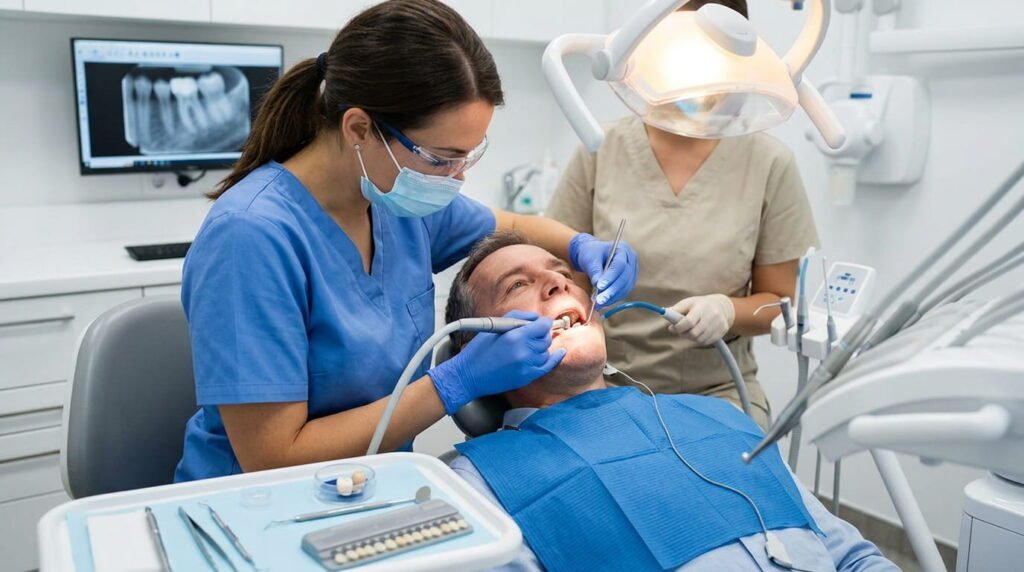
The first step involves a thorough dental examination.
During this visit, the dentist may:
- Examine the tooth
- Take X-rays
- Assess root health
- Check surrounding bone structure
- Discuss treatment options
If severe decay or infection is present, additional treatment such as a root canal may be required before crown placement.
Step 2: Tooth Preparation
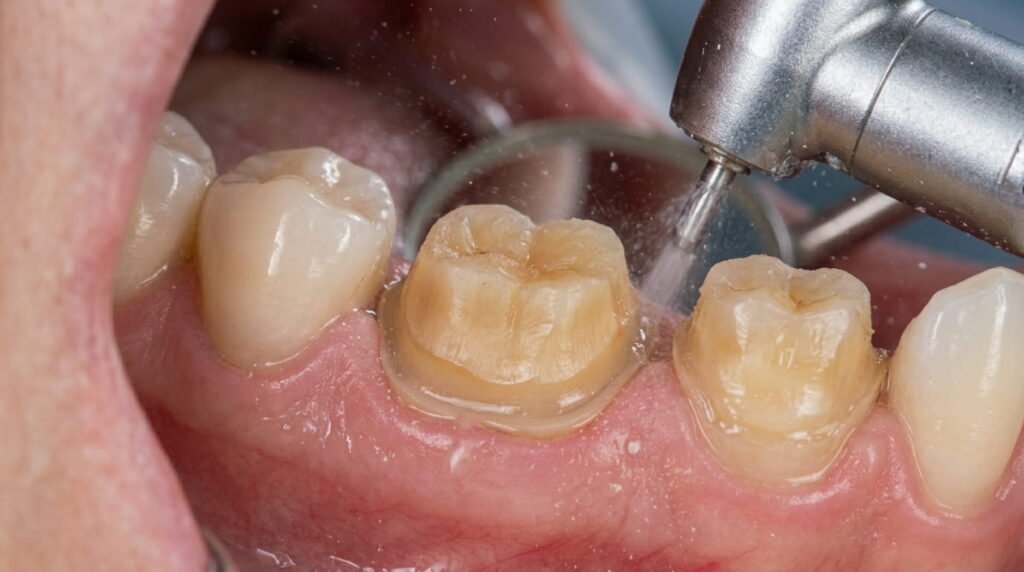
Once the dentist confirms that a crown is needed, the tooth is prepared.
This process involves:
- Administering local anesthesia
- Removing decay
- Reshaping the tooth
- Creating space for the crown
The amount of tooth reduction depends on the type of crown being used.
Step 3: Dental Impressions
After preparation, the dentist takes impressions of the tooth.
Methods include:
Traditional Impressions
A soft putty material is placed around the tooth to create a mold.
Digital Scanning
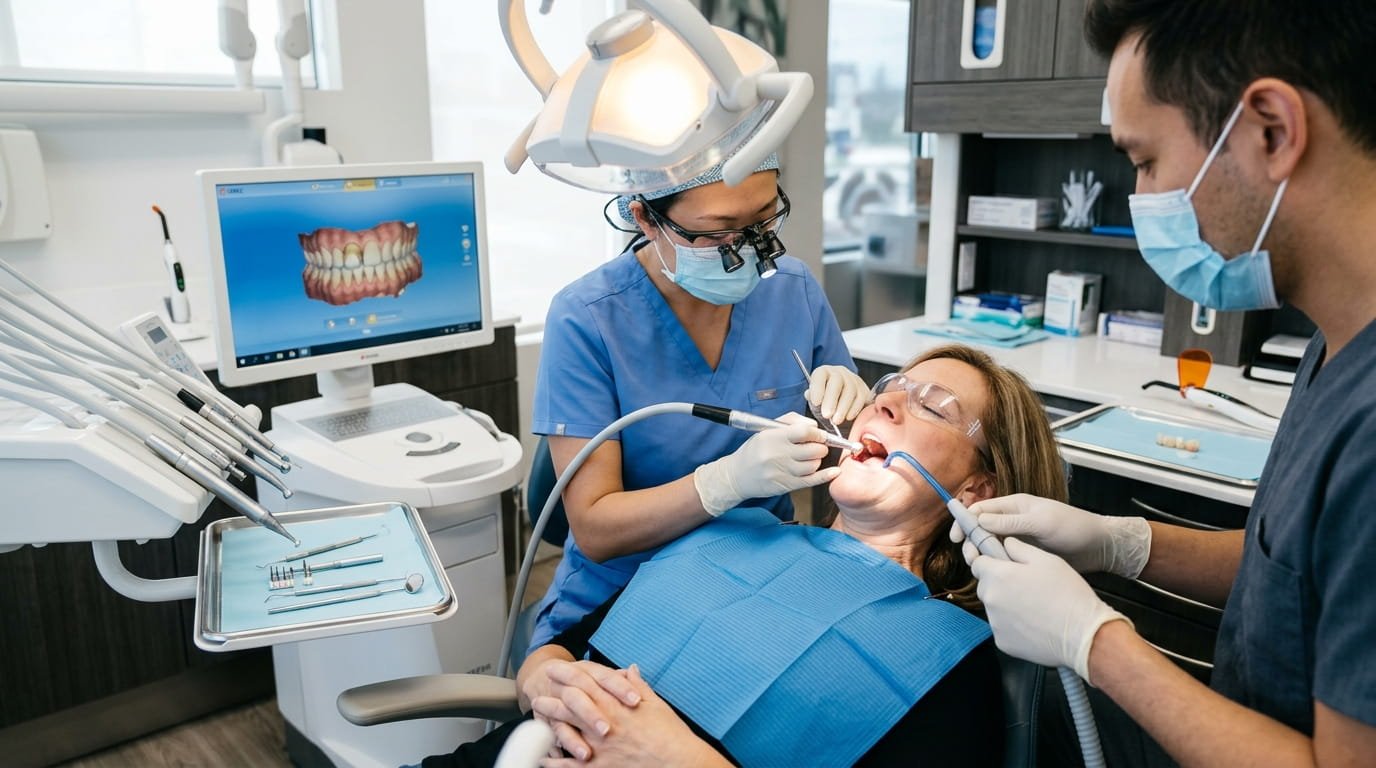
Advanced clinics use digital scanners to capture precise 3D images of the tooth.
The impressions are sent to a dental laboratory where the permanent crown is fabricated.
Step 4: Temporary Crown Placement
Since permanent crowns typically require one to two weeks to manufacture, a temporary crown is placed.
The temporary crown:
- Protects the prepared tooth
- Maintains appearance
- Allows normal function
Patients should avoid sticky and hard foods while wearing a temporary crown.
Step 5: Permanent Crown Fabrication
Dental technicians create the custom crown based on the impressions.
The crown is designed to:
- Match surrounding teeth
- Fit accurately
- Restore natural chewing function
Step 6: Permanent Crown Placement
During the second appointment, the temporary crown is removed.
The dentist then:
- Cleans the tooth
- Tests crown fit
- Checks bite alignment
- Makes necessary adjustments
Once satisfied, the dentist permanently cements the crown into place.
Step 7: Final Evaluation
The dentist performs a final assessment to ensure:
- Proper fit
- Comfortable bite
- Natural appearance
- Secure placement
Patients can usually resume normal activities immediately after treatment.
How Long Does the Dental Crown Procedure Take?
Traditional dental crown procedures generally require two visits.
First Visit
- Examination
- Tooth preparation
- Impressions
- Temporary crown placement
Time required: 60–90 minutes
Second Visit
- Temporary crown removal
- Permanent crown placement
- Bite adjustments
Time required: 30–60 minutes
Same-Day Crowns
Some dental clinics use CAD/CAM technology to create and place crowns in a single appointment.
Benefits include:
- No temporary crown
- Faster treatment
- Immediate results
Benefits of the Dental Crown Procedure
Dental crowns offer numerous advantages.
Restores Tooth Strength
Crowns reinforce weakened teeth and reduce the risk of fractures.
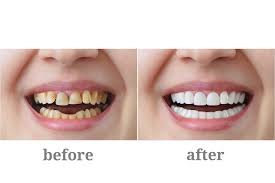
Improves Appearance
Modern crowns blend seamlessly with natural teeth.
Enhances Function
Patients can chew and speak normally after treatment.
Long-Term Solution
With proper care, crowns can last many years.
Protects Remaining Tooth Structure
Crowns prevent further damage and preserve natural teeth.
Dental Crown Procedure Recovery
Recovery after crown placement is generally quick and uncomplicated.
Immediately After Treatment
Patients may experience:
- Mild sensitivity
- Temporary soreness
- Slight discomfort when chewing
These symptoms typically resolve within a few days.
Recovery Tips
To promote healing:
- Avoid hard foods initially
- Brush gently around the crown
- Use sensitive toothpaste if needed
- Follow your dentist’s instructions
Potential Risks and Complications
Although dental crowns are highly successful, complications can occasionally occur.
Tooth Sensitivity
Some patients experience sensitivity to hot or cold temperatures.
Loose Crown
Crowns can loosen if the cement weakens.
Crown Damage
Porcelain crowns may chip or crack under excessive pressure.
Gum Irritation
Temporary gum soreness may occur after placement.
Allergic Reactions
Rarely, patients may react to metal-containing crowns.
Regular dental visits help identify and address issues early.
Dental Crown Cost
The cost of a dental crown procedure varies based on several factors.
Factors Affecting Cost
- Crown material
- Geographic location
- Dentist experience
- Laboratory fees
- Additional treatments
Average Costs
| Crown Type | Average Cost |
|---|---|
| Metal Crown | $800–$2,500 |
| PFM Crown | $800–$3,000 |
| Porcelain Crown | $800–$3,500 |
| Zirconia Crown | $1,000–$3,500 |
| Gold Crown | $1,000–$4,000 |
Insurance may cover part of the cost if the crown is medically necessary.
How Long Do Dental Crowns Last?
The lifespan of a crown depends on oral hygiene, material quality, and lifestyle habits.
Average lifespan:
- Porcelain crowns: 10–15 years
- Zirconia crowns: 15–20 years
- Metal crowns: 20+ years
- Gold crowns: 20+ years
Proper care can significantly extend longevity.
Caring for Your Dental Crown
Maintaining good oral hygiene is essential.
Brush Twice Daily
Use fluoride toothpaste and a soft-bristled toothbrush.
Floss Daily
Clean around the crown to prevent gum disease and decay.
Avoid Hard Foods
Do not chew ice, hard candy, or non-food objects.
Wear a Night Guard
Patients who grind their teeth should use a custom night guard.
Visit Your Dentist Regularly
Routine checkups help monitor crown condition and overall oral health.
Frequently Asked Questions
Is the Dental Crown Procedure Painful?
No. Local anesthesia ensures patient comfort during treatment. Mild soreness afterward is normal and temporary.
Can I Eat Normally With a Crown?
Yes. Once the permanent crown is placed, most patients can eat normally.
How Soon Can I Return to Work?
Most people return to work or daily activities immediately after the procedure.
Can Crowns Get Cavities?
The crown itself cannot decay, but the natural tooth underneath can develop cavities if oral hygiene is poor.
Are Dental Crowns Safe?
Yes. Dental crowns are considered a safe and highly effective restorative treatment.
Conclusion
The dental crown procedure is one of the most reliable and effective solutions for restoring damaged, weakened, or cosmetically imperfect teeth. Whether you need protection after a root canal, restoration of a fractured tooth, or improvement in your smile’s appearance, a dental crown can provide long-lasting benefits.
Understanding each step of the dental crown procedure helps patients feel informed and confident about their treatment. With modern dental technology, today’s crowns are durable, natural-looking, and designed to function just like real teeth.
By practicing excellent oral hygiene and attending regular dental checkups, you can enjoy the benefits of your dental crown for many years while maintaining a healthy and beautiful smile.