Porcelain Dental Crown Natural Look: The Complete Guide to a Beautiful Smile
A healthy and attractive smile plays a major role in confidence and overall appearance. When a tooth becomes damaged, cracked, discolored, or weakened, dentists often recommend a dental crown to restore its function and appearance. Among all available crown materials, porcelain dental crowns are widely recognized for their natural appearance and aesthetic appeal.
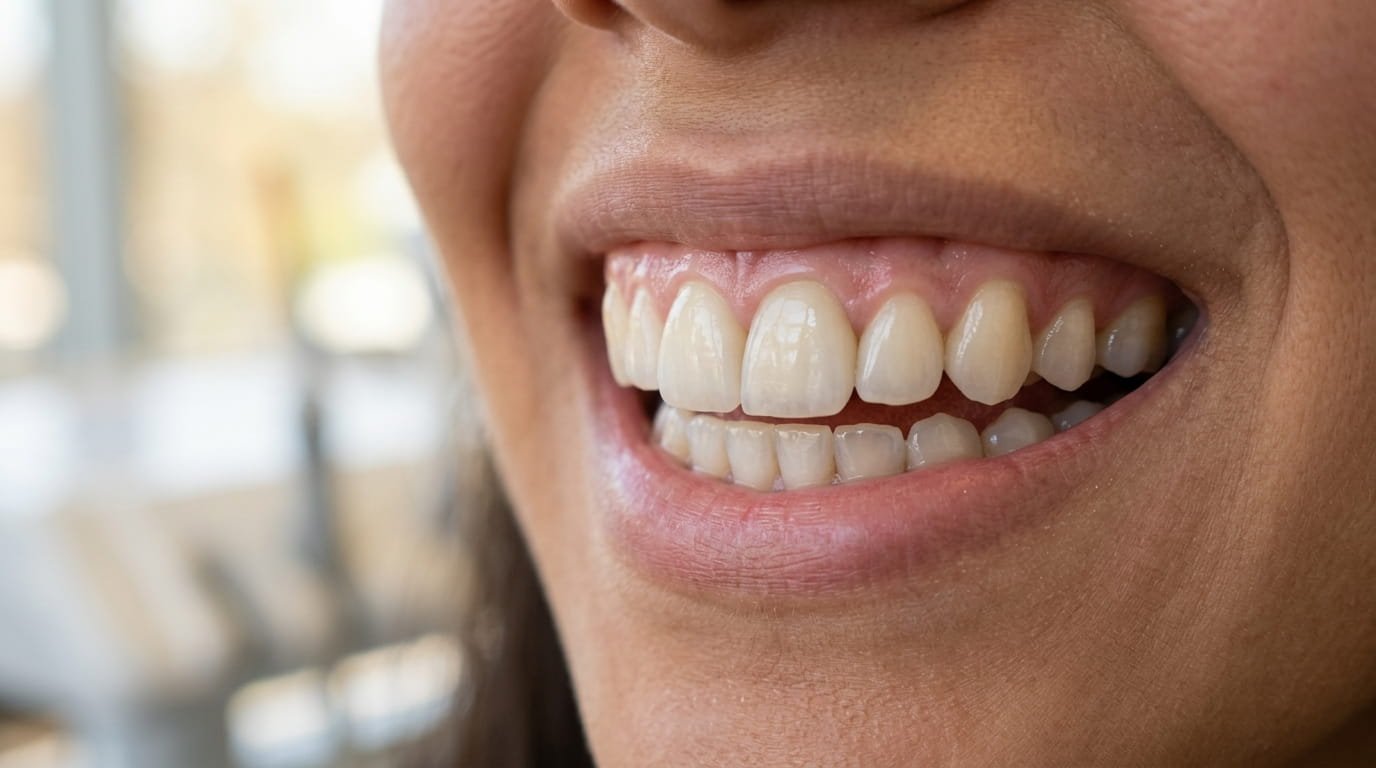
The phrase “Porcelain Dental Crown Natural Look” refers to the ability of porcelain crowns to closely resemble real teeth in color, texture, translucency, and shape. Unlike metal crowns, porcelain crowns blend seamlessly with surrounding teeth, making them an excellent choice for visible areas of the mouth.
In this comprehensive guide, we will explore everything you need to know about porcelain dental crowns, including their benefits, procedure, cost, lifespan, maintenance, and why they are considered the best option for achieving a natural-looking smile.
What Is a Porcelain Dental Crown?
A porcelain dental crown is a tooth-shaped cap placed over a damaged or weakened tooth. It restores the tooth’s size, shape, strength, and appearance while protecting it from further damage.
Porcelain crowns are made from high-quality ceramic materials that mimic the natural characteristics of real teeth. They are custom-designed to match the color and contour of your existing teeth, making them almost indistinguishable from natural teeth.
Dentists commonly recommend porcelain crowns for:
- Cracked teeth
- Broken teeth
- Severely decayed teeth
- Root canal-treated teeth
- Cosmetic smile improvements
- Dental implants
- Worn-down teeth
Why Porcelain Crowns Look So Natural
One of the biggest advantages of porcelain crowns is their realistic appearance.
1. Natural Tooth Color Matching
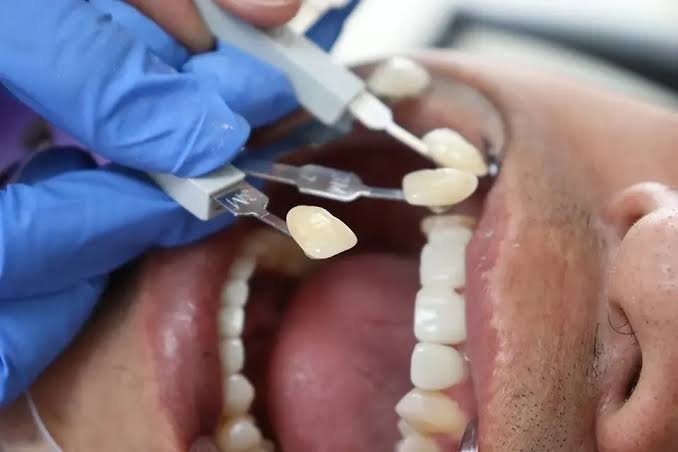
Dentists use shade guides and digital imaging technology to match the crown color with surrounding teeth. This ensures the restoration blends perfectly into your smile.
2. Light Reflection Similar to Natural Enamel
Natural teeth reflect and transmit light in a unique way. Porcelain has similar translucent properties, allowing it to imitate real tooth enamel remarkably well.
3. Customized Shape and Contours
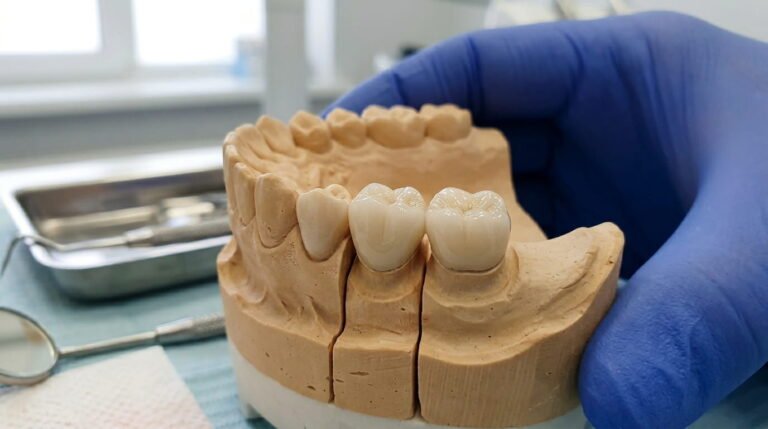
Each porcelain crown is custom-made according to the patient’s dental structure. The shape, size, and contours are carefully designed to mimic natural teeth.
4. No Visible Metal
Unlike porcelain-fused-to-metal crowns, all-porcelain crowns contain no metal. This eliminates dark lines near the gums and creates a more natural appearance.
Benefits of Porcelain Dental Crown Natural Look
Superior Aesthetics
Porcelain crowns are considered the most aesthetically pleasing dental restorations available today.
Benefits include:
- Natural appearance
- Tooth-colored finish
- Seamless smile integration
- Improved confidence
Stain Resistance
High-quality porcelain crowns resist staining better than natural teeth. They maintain their brightness even after years of use.
Biocompatibility
Porcelain is generally well-tolerated by gum tissues and does not cause allergic reactions commonly associated with certain metal restorations.
Improved Confidence
A natural-looking smile can significantly improve self-esteem and social confidence.
Long-Term Durability
Modern porcelain crowns are stronger than ever and can last many years with proper care.
Types of Porcelain Dental Crowns
All-Porcelain Crowns
These crowns consist entirely of porcelain and provide the most natural appearance.
Ideal for:
- Front teeth
- Cosmetic dentistry
- Smile makeovers
Advantages
- Excellent aesthetics
- No metal
- Natural translucency
Zirconia Porcelain Crowns
Zirconia crowns combine strength with aesthetics.
Benefits include:
- Exceptional durability
- Natural appearance
- Resistance to fractures
They are suitable for both front and back teeth.
Porcelain-Fused-to-Metal Crowns
These crowns contain a metal base covered with porcelain.
Advantages:
- Strong structure
- Affordable option
Disadvantages:
- Less natural appearance
- Possible dark gum line over time
Who Is a Good Candidate for Porcelain Crowns?
You may be an ideal candidate if you have:
- Chipped teeth
- Cracked teeth
- Large fillings
- Severe discoloration
- Misshapen teeth
- Dental implants
- Root canal-treated teeth
A dentist will evaluate your oral health before recommending the most suitable crown type.
Porcelain Dental Crown Procedure
The process typically involves two dental visits.
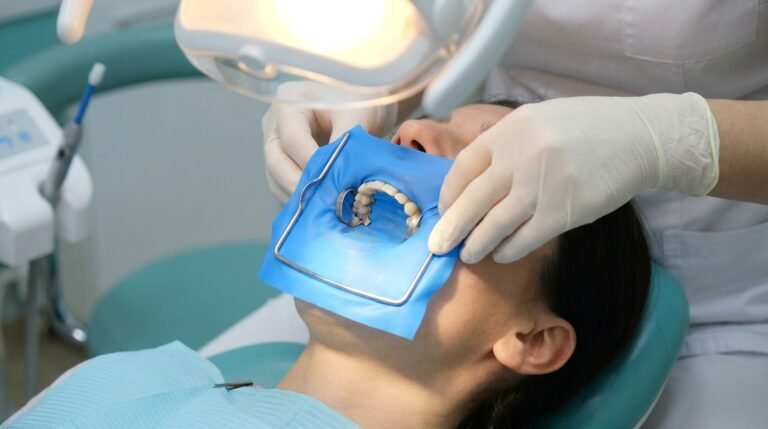
First Appointment
Examination
The dentist examines the affected tooth and may take X-rays.
Tooth Preparation
A small amount of enamel is removed to create space for the crown.
Impressions
Digital scans or traditional impressions are taken.
Temporary Crown Placement
A temporary crown protects the prepared tooth while the permanent crown is fabricated.
Second Appointment
Crown Fitting
The dentist checks:
- Fit
- Color
- Bite alignment
- Comfort
Permanent Bonding
Once approved, the crown is permanently cemented into place.
The entire process usually takes one to three weeks.
How Natural Does a Porcelain Crown Really Look?
Modern porcelain crowns can be nearly impossible to distinguish from natural teeth.
Advanced dental laboratories use:
- Layered porcelain techniques
- Digital smile design
- High-resolution imaging
- Customized shade matching
These technologies create restorations that closely mimic:
- Natural enamel texture
- Light reflection
- Tooth anatomy
- Surface details
Most people cannot tell the difference between a porcelain crown and a natural tooth.
Porcelain Crown vs Other Crown Materials
Porcelain vs Metal Crowns
Porcelain
- Natural appearance
- Tooth-colored
- Excellent aesthetics
Metal
- Visible metallic appearance
- Extremely strong
- Less suitable for front teeth
Porcelain vs Zirconia
Porcelain
- Superior translucency
- Best for aesthetics
Zirconia
- Stronger
- Better for heavy biting forces
Both provide excellent cosmetic results.
Porcelain vs Composite Resin
Porcelain
- More durable
- Better appearance
- Longer lifespan
Composite
- Less expensive
- More prone to wear and staining
How Long Do Porcelain Crowns Last?
The lifespan of a porcelain crown depends on:
- Oral hygiene
- Bite habits
- Diet
- Dental care
Average lifespan:
- 10–15 years
- Some crowns last 20 years or longer
Proper maintenance significantly extends crown longevity.
Factors Affecting Crown Longevity
Good Oral Hygiene
Daily brushing and flossing help prevent decay around the crown margins.
Avoiding Hard Foods
Chewing ice or hard candies can damage crowns.
Regular Dental Visits
Routine checkups allow early detection of problems.
Night Guards for Teeth Grinding
Patients who grind their teeth may benefit from a custom night guard.
Cost of Porcelain Dental Crowns
The cost varies depending on:
- Geographic location
- Dentist experience
- Crown material
- Dental laboratory fees
Average price ranges:
| Crown Type | Cost Range |
|---|---|
| All-Porcelain Crown | $800–$3,000 |
| Zirconia Crown | $1,000–$3,500 |
| Porcelain-Fused-to-Metal | $800–$2,500 |
Dental insurance may cover part of the cost if the crown is medically necessary.
Caring for Your Porcelain Crown
Maintaining a porcelain crown is similar to caring for natural teeth.
Brush Twice Daily
Use a soft-bristle toothbrush and fluoride toothpaste.
Floss Every Day
Flossing prevents plaque accumulation near the crown margins.
Avoid Bad Habits
Avoid:
- Nail biting
- Ice chewing
- Opening packages with teeth
Schedule Regular Checkups
Professional cleanings help preserve both crowns and natural teeth.
Common Problems with Porcelain Crowns
Although highly successful, some issues may occur.
Crown Sensitivity
Temporary sensitivity may develop after placement.
Chipping
Minor chips can sometimes be repaired without replacing the crown.
Crown Loosening
Over time, cement may weaken and require re-cementation.
Gum Irritation
Poor crown fit can occasionally irritate surrounding gum tissues.
Regular dental visits help identify and address these issues early.
Are Porcelain Crowns Safe?
Yes. Porcelain crowns are considered very safe.
Benefits include:
- Biocompatibility
- Non-toxic materials
- No metal allergies
- Excellent gum compatibility
They have been used successfully in dentistry for decades.
Porcelain Crowns for Front Teeth
Front teeth require maximum aesthetics.
Porcelain crowns are ideal because they provide:
- Natural translucency
- Realistic appearance
- Excellent color matching
- Beautiful smile enhancement
Most cosmetic dentists recommend porcelain crowns for visible teeth.
Porcelain Crowns and Smile Makeovers
Smile makeover treatments often include porcelain crowns.
They can improve:
- Tooth color
- Tooth shape
- Tooth size
- Alignment appearance
- Smile symmetry
Many patients achieve dramatic smile transformations with porcelain restorations.
Advantages and Disadvantages
Advantages
- Natural appearance
- Excellent color matching
- Stain resistant
- Metal-free
- Biocompatible
- Long-lasting
- Improved confidence
Disadvantages
- Higher cost
- Possible chipping under extreme force
- Requires tooth preparation
- May not be as strong as some metal crowns
For most patients, the aesthetic benefits outweigh the disadvantages.
Frequently Asked Questions
Do porcelain crowns look like real teeth?
Yes. High-quality porcelain crowns are designed to closely mimic natural teeth in color, shape, and translucency.
Can people tell I have a crown?
In most cases, no. Modern porcelain crowns blend seamlessly with surrounding teeth.
How long do porcelain crowns last?
Most porcelain crowns last between 10 and 15 years, while some can last over 20 years with proper care.
Are porcelain crowns better than metal crowns?
For appearance and aesthetics, porcelain crowns are generally superior. Metal crowns may be stronger but are less attractive.
Can porcelain crowns stain?
Porcelain is highly stain-resistant and maintains its appearance for many years.
Conclusion
A Porcelain Dental Crown Natural Look is one of the best solutions for restoring damaged teeth while maintaining a beautiful and realistic smile. Thanks to advanced dental technology, modern porcelain crowns closely resemble natural teeth in color, translucency, texture, and shape.
Whether you need to repair a damaged tooth, improve your smile, or complete a cosmetic makeover, porcelain crowns provide an ideal balance of beauty, durability, and functionality. With proper care and regular dental visits, a porcelain crown can deliver years of confidence, comfort, and natural-looking results.
By choosing a high-quality porcelain crown and an experienced dentist, you can enjoy a restoration that looks and feels just like a real tooth.