Porcelain Dental Crown: Benefits, Cost, Procedure, and Long-Term Care Guide
A healthy and attractive smile plays a significant role in a person’s confidence and overall appearance. However, damaged, decayed, cracked, or weakened teeth can affect both oral health and self-esteem. Modern dentistry offers several restorative solutions, and one of the most popular options is the porcelain dental crown.
Porcelain dental crowns are widely used because they closely resemble natural teeth while providing excellent protection and functionality. Whether a tooth has been damaged by decay, trauma, or extensive dental work, a porcelain crown can restore its strength, appearance, and performance.
This comprehensive guide explains everything you need to know about porcelain dental crowns, including their benefits, procedure, cost, lifespan, maintenance, and potential drawbacks.
What Is a Porcelain Dental Crown?
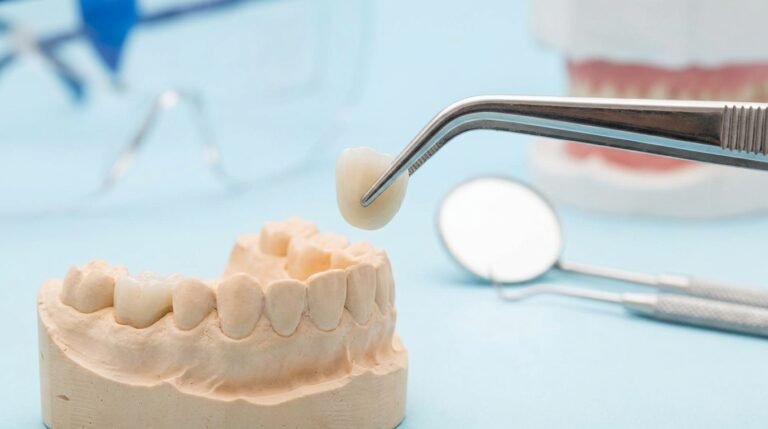
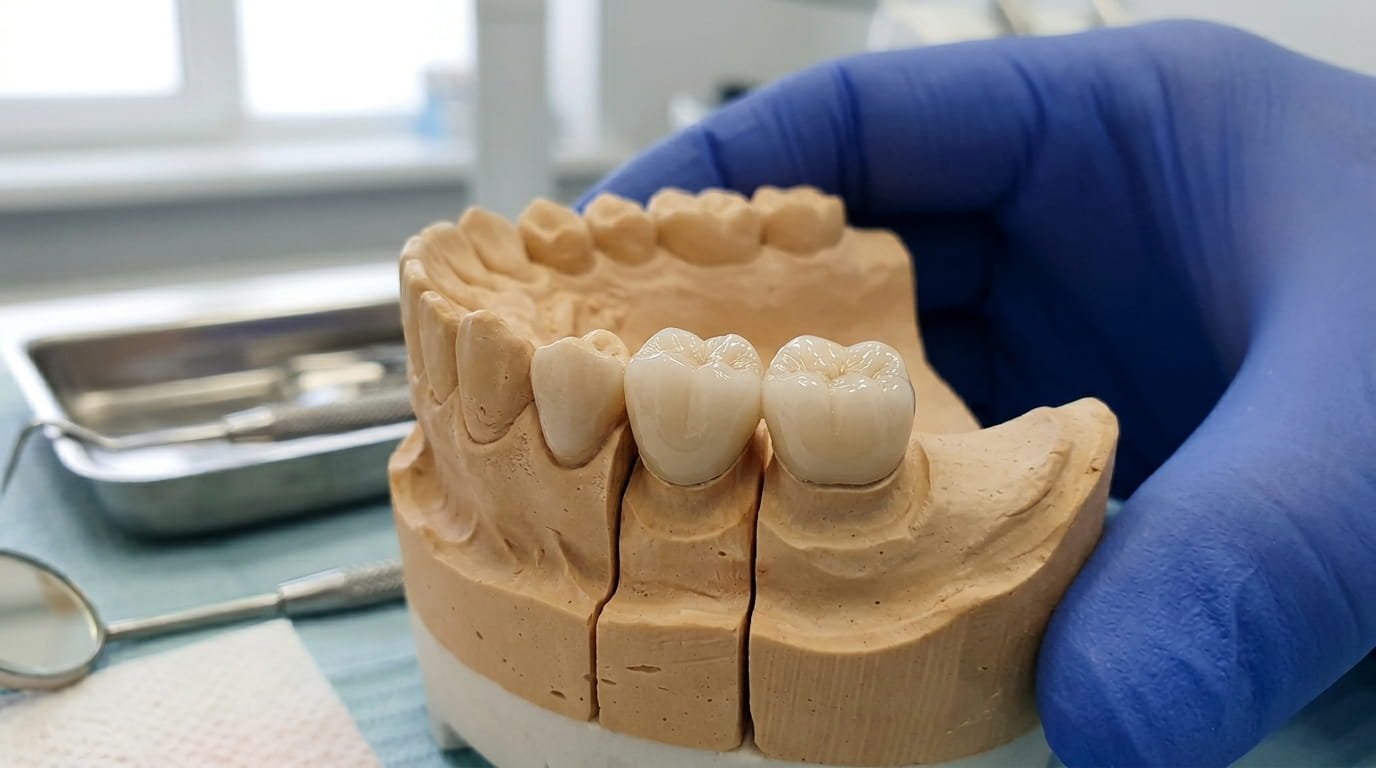
A porcelain dental crown is a custom-made cap designed to cover a damaged or weakened tooth completely. It restores the tooth’s original shape, size, strength, and appearance while protecting it from further damage.
Unlike metal crowns, porcelain crowns are made from ceramic materials that closely match the color and translucency of natural teeth. This makes them especially popular for visible front teeth where aesthetics are important.
A porcelain crown fits over the entire visible portion of a tooth above the gum line, creating a durable and natural-looking restoration.
Why Do Dentists Recommend Porcelain Crowns?
Dentists may recommend porcelain crowns for several reasons:
- Restoring severely decayed teeth
- Protecting teeth after root canal treatment
- Repairing cracked or fractured teeth
- Improving the appearance of discolored teeth
- Covering misshapen teeth
- Supporting large dental fillings
- Restoring worn-down teeth
- Completing dental implant procedures
Porcelain crowns provide both cosmetic and functional improvements, making them a versatile treatment option.
Types of Porcelain Dental Crowns
1. All-Porcelain Crowns
These crowns are made entirely from porcelain and offer the most natural appearance. They are ideal for front teeth because they closely mimic natural enamel.
2. Porcelain-Fused-to-Metal (PFM) Crowns
These crowns combine a metal base with a porcelain exterior. They offer enhanced strength while maintaining a tooth-like appearance.
3. Zirconia Porcelain Crowns
Zirconia crowns combine the beauty of porcelain with exceptional durability. They are increasingly popular due to their strength and aesthetic appeal.
4. Pressed Ceramic Crowns
Pressed ceramic crowns have a strong inner core covered with porcelain. They provide an excellent balance between appearance and durability.
Benefits of Porcelain Dental Crowns
Natural Appearance
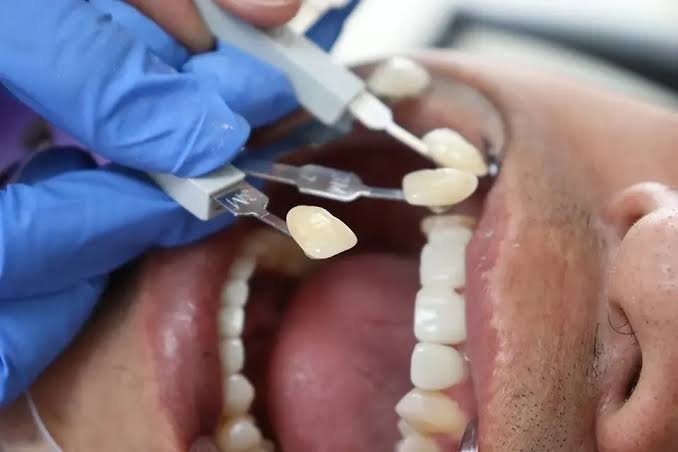
One of the biggest advantages of porcelain crowns is their realistic appearance. They closely resemble natural teeth in color, texture, and translucency.
Improved Confidence
A damaged tooth can affect self-confidence. Porcelain crowns help create a beautiful smile that looks natural and healthy.
Metal-Free Solution
Many patients prefer porcelain crowns because they contain no metal, reducing the risk of allergic reactions and providing a more aesthetic result.
Protection for Damaged Teeth
Porcelain crowns strengthen weak or damaged teeth, preventing further fractures and decay.
Long-Term Durability
With proper care, porcelain crowns can last for many years, making them a worthwhile investment in oral health.
Stain Resistance
Porcelain materials are resistant to staining from coffee, tea, wine, and tobacco products.
The Porcelain Dental Crown Procedure
Initial Consultation
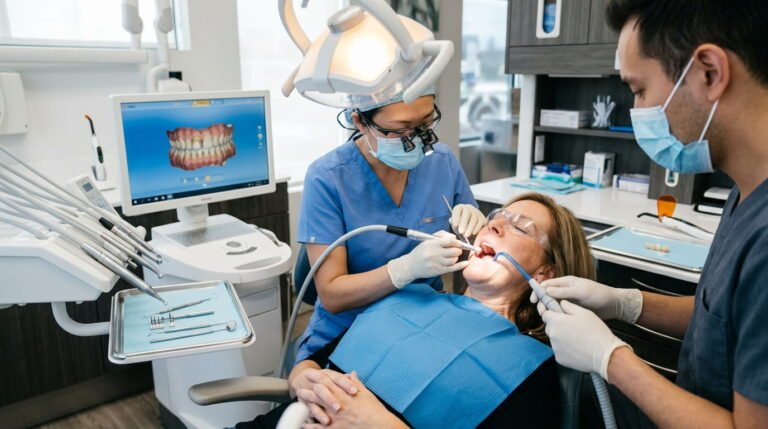
The process begins with a comprehensive dental examination. The dentist evaluates the affected tooth and determines whether a crown is the best treatment option.
Tooth Preparation
A small amount of enamel is removed from the tooth to create space for the crown.
Dental Impressions
Precise impressions or digital scans are taken to ensure a perfect fit.
Temporary Crown Placement
A temporary crown is placed while the permanent crown is being fabricated in a dental laboratory.
Permanent Crown Placement
During the second appointment, the temporary crown is removed and the permanent porcelain crown is bonded securely to the tooth.
Final Adjustments
The dentist checks the fit, appearance, and bite alignment before completing the procedure.
How Long Does a Porcelain Crown Last?
The lifespan of a porcelain dental crown depends on several factors, including oral hygiene, eating habits, and overall dental health.
On average, porcelain crowns last:
- 10 to 15 years
- Often 20 years or longer with excellent care
Regular dental visits and proper maintenance significantly extend their lifespan.
Cost of Porcelain Dental Crowns
The cost of porcelain crowns varies depending on several factors:
- Geographic location
- Dentist’s experience
- Type of porcelain crown
- Additional procedures required
- Dental insurance coverage
In many countries, porcelain crowns typically range from $800 to $3,000 per tooth.
Patients should consult their dentist for an accurate estimate based on their specific treatment needs.
Porcelain Crowns vs. Other Crown Materials
Porcelain vs. Metal Crowns
Porcelain crowns provide superior aesthetics, while metal crowns offer greater durability.
Porcelain vs. Zirconia Crowns
Zirconia crowns are generally stronger, but porcelain crowns often provide a more natural appearance.
Porcelain vs. Resin Crowns
Resin crowns are less expensive but wear out more quickly than porcelain crowns.
Caring for a Porcelain Dental Crown
Proper maintenance is essential for maximizing the lifespan of a porcelain crown.
Brush Twice Daily
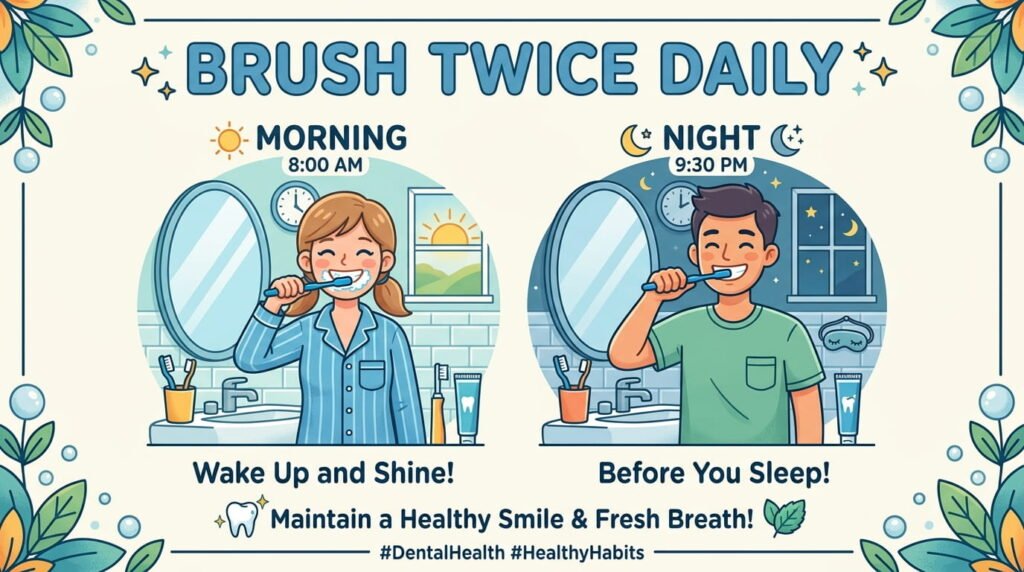
Use a soft-bristled toothbrush and fluoride toothpaste.
Floss Every Day
Flossing removes plaque and food particles around the crown.
Avoid Hard Foods
Chewing ice, hard candy, or other hard objects may damage the crown.
Wear a Night Guard
Patients who grind their teeth should wear a custom night guard.
Schedule Regular Dental Checkups
Routine dental visits help identify problems before they become serious.
Potential Risks and Complications
Although porcelain crowns are highly successful, some potential complications include:
- Tooth sensitivity
- Crown chipping
- Crown loosening
- Gum irritation
- Rare allergic reactions to bonding materials
Most issues can be addressed quickly with professional dental care.
Who Is a Good Candidate for a Porcelain Crown?
You may be a good candidate if you have:
- A cracked tooth
- Severe tooth decay
- A large filling
- A root canal-treated tooth
- Cosmetic concerns about tooth appearance
A dental examination is necessary to determine suitability.
Frequently Asked Questions
Are porcelain crowns painful?
The procedure is generally comfortable because local anesthesia is used.
Can porcelain crowns stain?
Porcelain is highly stain-resistant, though maintaining good oral hygiene is still important.
Can a porcelain crown be whitened?
No. Crowns do not respond to whitening treatments like natural teeth.
Are porcelain crowns safe?
Yes. Porcelain crowns are considered a safe and effective dental restoration.
How long does the procedure take?
Most porcelain crowns require two appointments over two to three weeks.
Conclusion
Porcelain dental crowns remain one of the most effective and aesthetically pleasing solutions for restoring damaged teeth. Their natural appearance, durability, stain resistance, and ability to improve both oral function and confidence make them a preferred choice for many patients.
Whether you need to repair a damaged tooth, protect a weakened tooth after a root canal, or enhance your smile, a porcelain dental crown can provide long-lasting results. By maintaining excellent oral hygiene and visiting your dentist regularly, you can enjoy the benefits of a porcelain crown for many years to come.